

In today’s fast-paced world, companies look for ways to boost efficiency and productivity. One key method is updating older machinery. This article tells the story of how a 1990s filler was modernized to improve Overall Equipment Effectiveness (OEE). Updating old systems can bring big benefits. By adding new tech, businesses Continue Reading
Custom Solutions FAQ: Lead Times, Retrofits, Warranty, and 24/7 Support
Businesses and tech leaders make big choices when picking power and energy systems. They must decide between standard equipment and custom-made solutions. This choice affects project timelines, performance, and budget. The first step is a diagnostic check. Experts call this a “fit/gap” analysis. It shows if a standard unit will Continue Reading
How to Use OEM Whitepapers & Technical Docs: From Specs to Safer Setups

Original Equipment Manufacturer (OEM) technical documentation is key to any system’s success. It’s not just paperwork. It’s the go-to source for specs, compliance, and safety rules. Documents like Technical Data Sheets (TDS), user manuals, and engineering drawings are vital. They help ensure systems work right and are safe. A cybersecurity Continue Reading
Predictive Maintenance Options: Vibration, Thermal, Ultrasound, and Oil—What to Use When
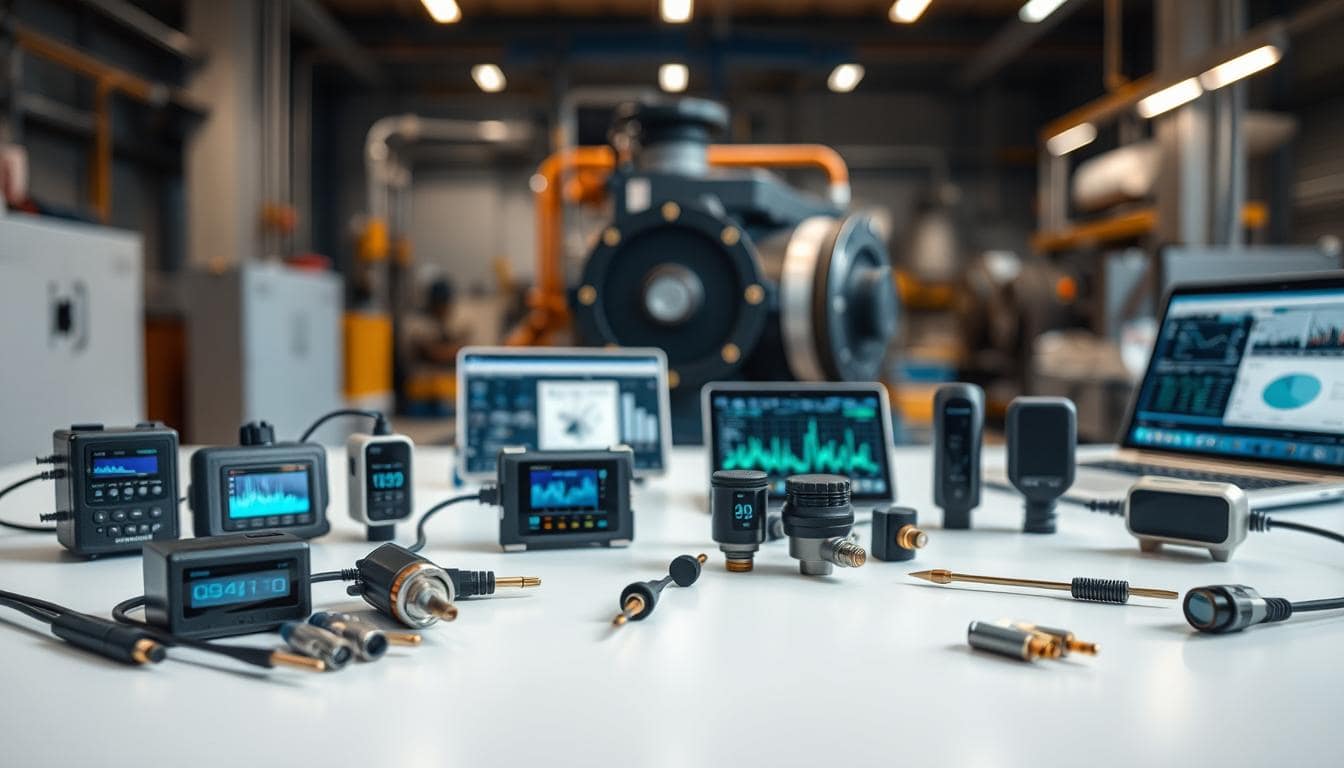
Modern industry needs a smart, tech-driven way to keep assets running and save on labor. This method, called predictive maintenance, uses a variety of predictive maintenance sensors and techniques. Choosing the right tool is key. Not every technology works for every asset. The best match depends on the asset type Continue Reading
SMED for Custom Equipment: 10 Steps to Cut Changeovers in Half
Custom manufacturing equipment is a big challenge. It’s often very specialized, leading to long setup times. The Single-Minute Exchange of Die (SMED) method helps solve this problem. The first step to a quick changeover is to analyze the current setup. You can’t improve without knowing exactly how things work now. Continue Reading
OEE Improvement Roadmap: Boost Availability, Performance, and Quality on Custom Lines

Manufacturing leaders face a big challenge on custom or mixed-model production lines. The mix of variable cycle times and complex product flows makes it hard to find true performance issues. A structured, data-driven approach is key for lasting gains. Overall Equipment Effectiveness (OEE) is the core metric. It’s more than Continue Reading
Lubrication and Contamination Control for Custom Equipment
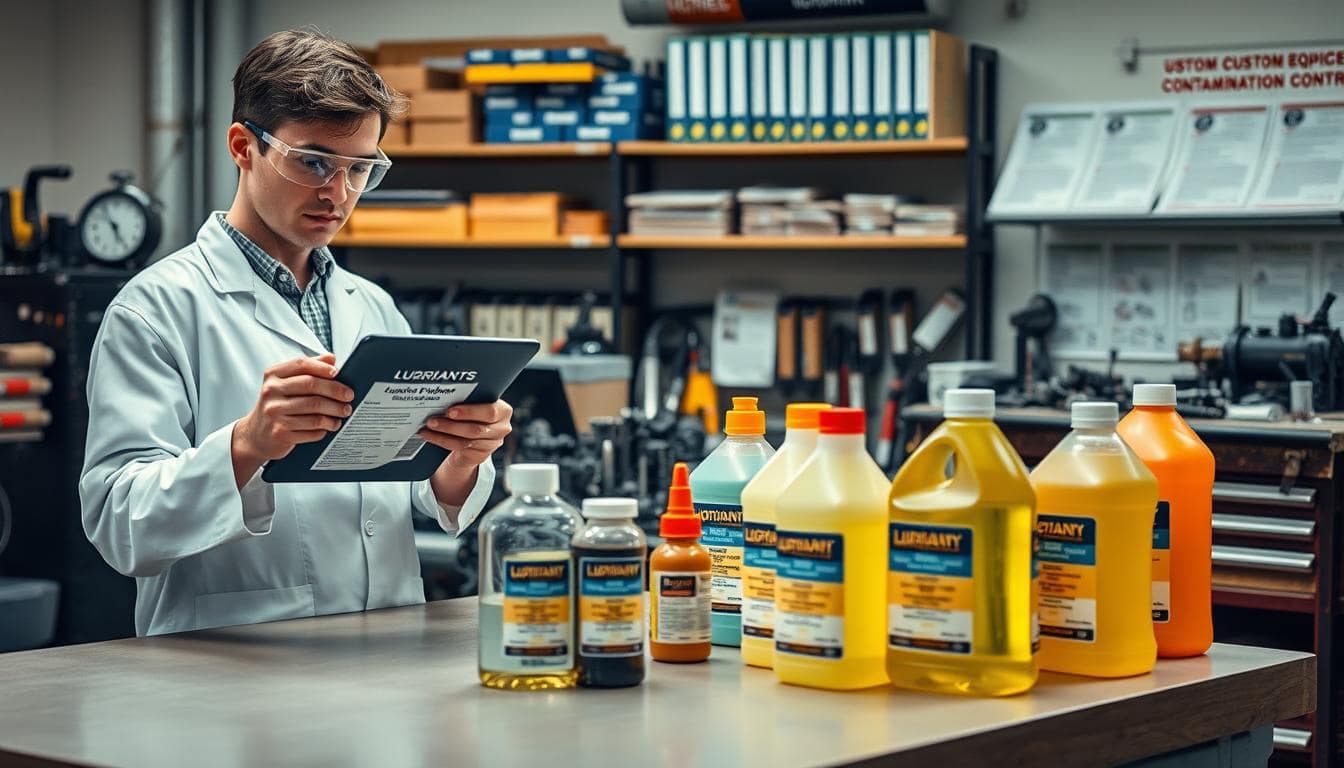
For custom machinery, reliability is key. A shift in mindset is needed. The goal is now to prevent contamination, not just control it. Controlling contamination is a reactive step. Preventing it is the goal to reduce risk. It involves looking at the whole process, from start to finish. This approach Continue Reading
Vibration Analysis for Custom Rotating Equipment: A Starter Field Guide
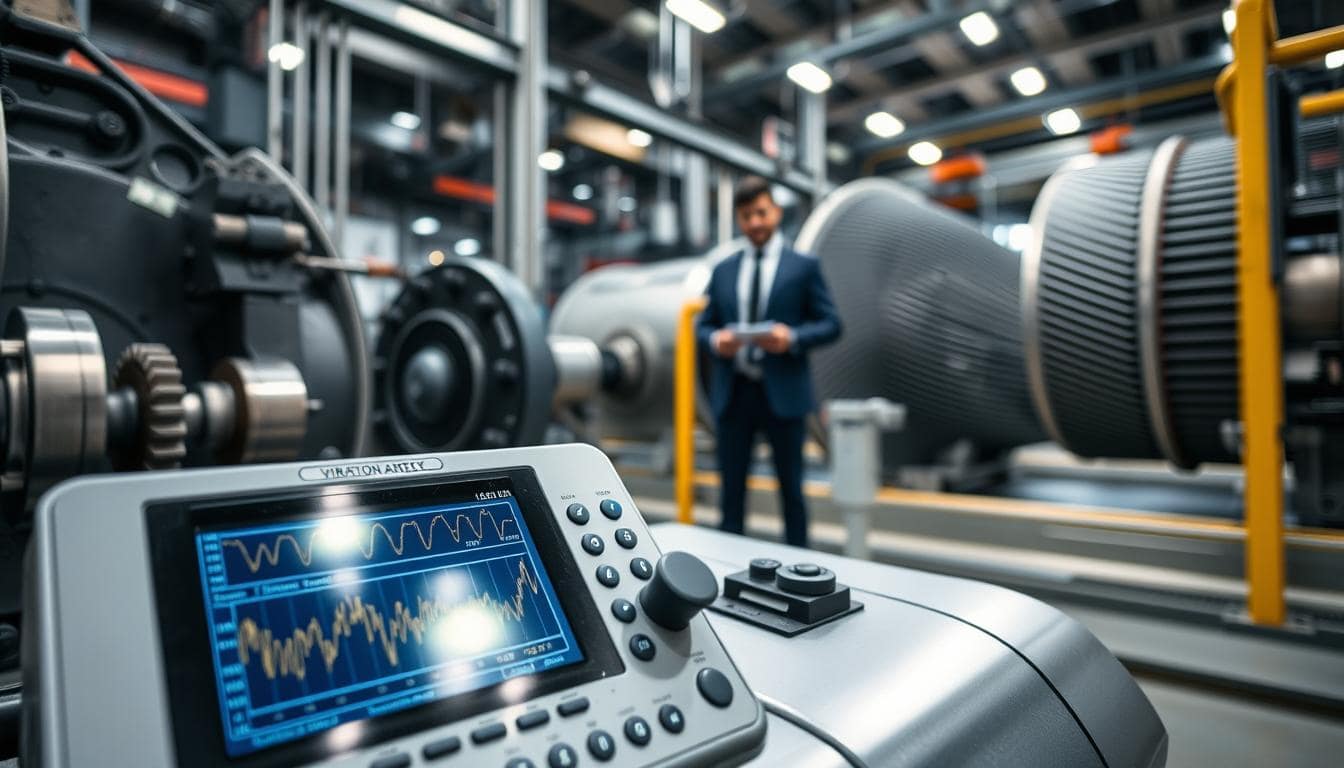
In industrial settings, the mechanical state of custom rotating machinery is key. The oscillation of components shows the machine’s health. This motion is not just random noise but a detailed data stream. When left unmanaged, too much oscillation cuts down efficiency. It speeds up wear and can cause big mechanical Continue Reading
Precision Alignment and Balancing: Extend Life on Custom Drives

For industrial custom drive systems, peak performance is not by chance. It comes from careful maintenance. Precision shaft alignment and rotor balancing are key. Misaligned shafts make motors work harder, using more electricity. This raises energy costs. Laser alignment tools help avoid this waste. Vibration from imbalance harms bearings. It Continue Reading
Spare Parts Strategy for Custom Machines: Genuine vs Aftermarket, Min‑Max, and Kitting

Keeping complex equipment running smoothly needs a careful plan for spare parts. The aim is to keep things moving without wasting money on parts that won’t be used. It starts with figuring out which parts are really important. Managing parts well means sorting them by two main things: operational risk Continue Reading