
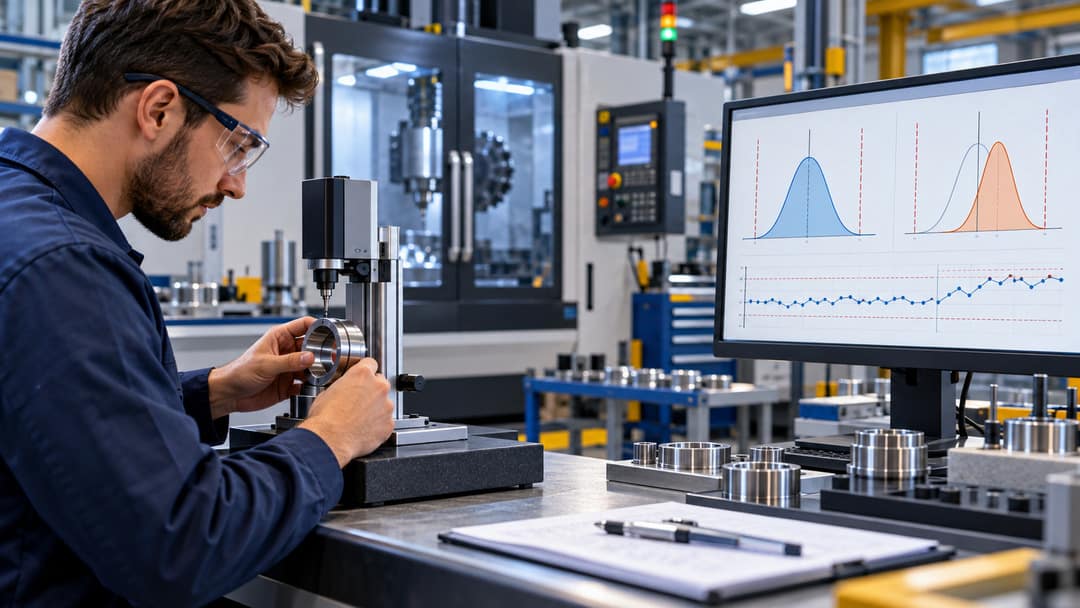
A strong process capability score does not automatically mean a manufacturing process is ready for production. Before trusting Cp or Cpk, engineers need evidence that the measurement system is reliable, the production process is stable, and the collected data represents actual operating conditions. These checks matter because a capability calculation Continue Reading
PFAS Drinking Water Cancer Signals and Rules

PFAS Drinking Water research links public-system contamination with cancer incidence signals, while EPA rules set monitoring deadlines.
Superionic Compounds In Solid-State Batteries
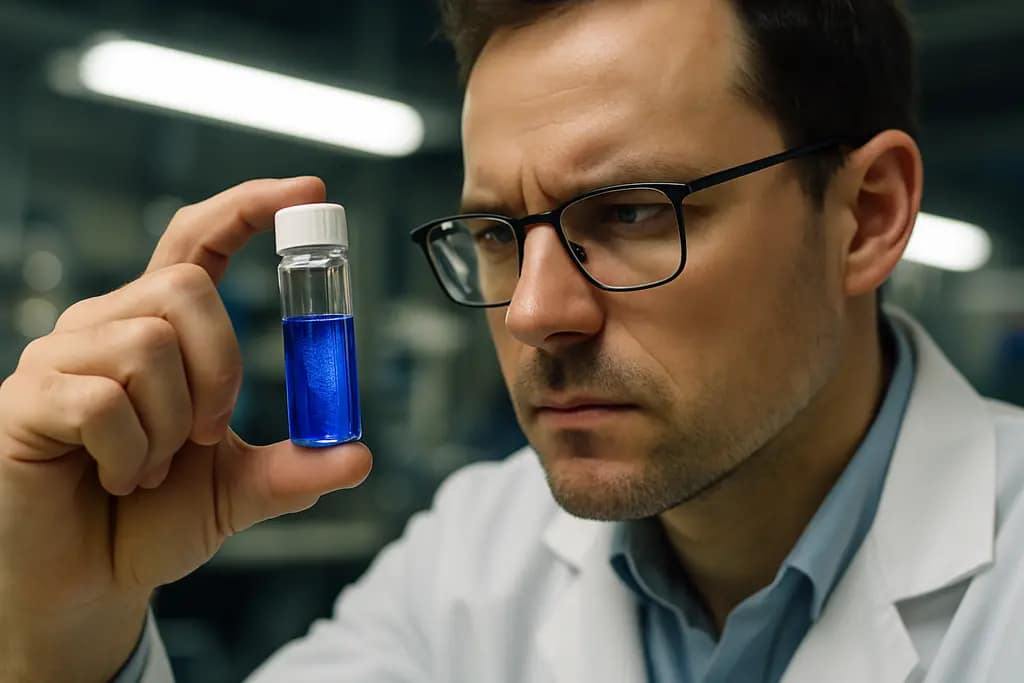
Superionic Compounds show faster lithium-ion motion and safer handling potential, but product design still faces interface and abuse limits.
SimuScan AI Speeds Targeted Nanoscale Imaging

SimuScan AI uses synthetic AFM data to guide nanoscale imaging, with ORNL results showing promise and clear validation limits.
AI Reaction Pathways for Solid-State Materials

AI Reaction Pathways are helping researchers test solid-state synthesis options faster, but evidence still depends on validation and scale-up.
AI Catalyst Models Face Lab Protocol Variability

AI Catalyst Models can misread CO₂-to-fuel catalyst data when lab protocols vary, making uncertainty reporting central to selection.
Genesis Mission awards and mineral recovery

Genesis Mission awards fund AI work on rare-earth recovery and device design, but Phase I results remain early and need scale testing.
NTA drinking water study: What EPA Found

EPA’s NTA drinking water study broadens contaminant screening, but findings still need targeted follow-up before health risk claims.
Grid Modernization and AI Data Center Demand

Grid Modernization under DOE’s $5.25B SPARK plan may add transmission capacity, but AI data center benefits need careful reading.
Engineered Interfaces Scaling Case Lessons

Engineered interfaces may reduce computing energy loss, but 2026 studies show scale-up barriers in packaging, yield, heat, and validation.