

Light Probe Superconductors reveals vortex behavior and electron motion, while grid use still faces materials, cooling, and scale barriers.
Luis Martinez
VO2 strain in Thin-Film Electronic Devices
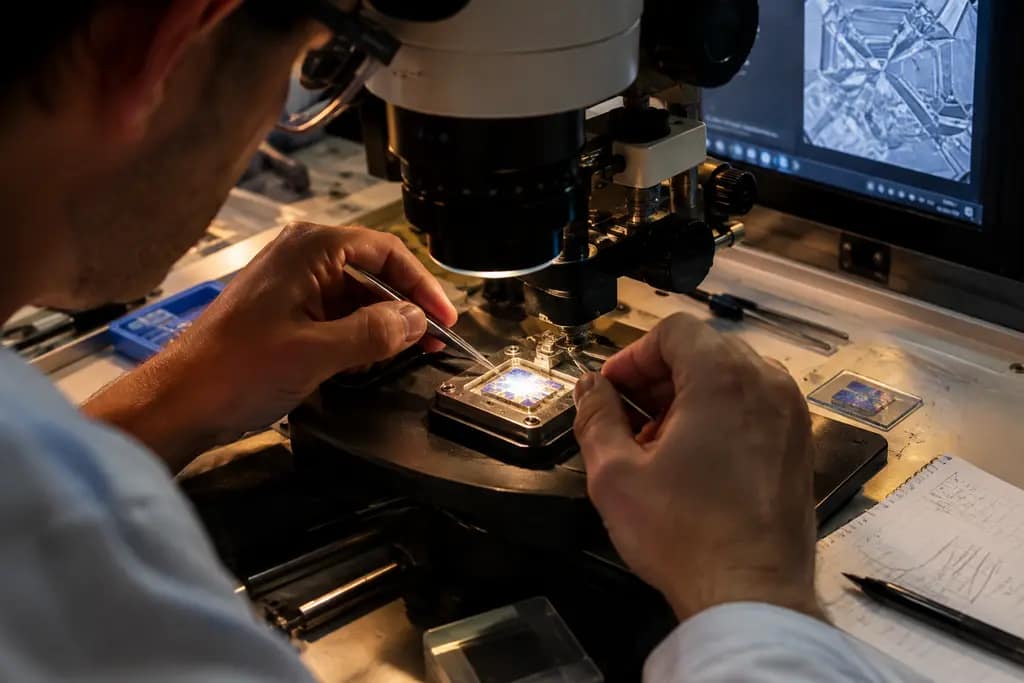
VO2 strain affects switching temperature, voltage, and variability in thin-film devices, but recent findings remain mostly lab-stage.
Mechatronic Metamaterials Start to Self-Organize

Mechatronic metamaterials showed lab-scale self-organization in 2026, with possible uses in sensing, transport, and mechanical information processing.
Project Triad and Quantum Integration Limits

Project Triad links quantum sensing, networking, and computing, but NSF’s plan remains early and integration barriers are substantial.
How a 99%-Accurate Machine Vision System Can Reject More Good Parts Than Bad

A machine vision inspection system can report approximately 99% accuracy while incorrectly rejecting more good products than it correctly identifies defective ones. This is not necessarily a software malfunction. It can result from how rarely defects occur and how the inspection system balances missed defects against false alarms. For manufacturers Continue Reading
Voltage-Ramping Optimization Cuts Heat Waste

Voltage-Ramping Optimization may reduce computing heat waste, but recent evidence is early and implementation depends on systems context.
Quantum Sound Jumps and Future Quantum Tech
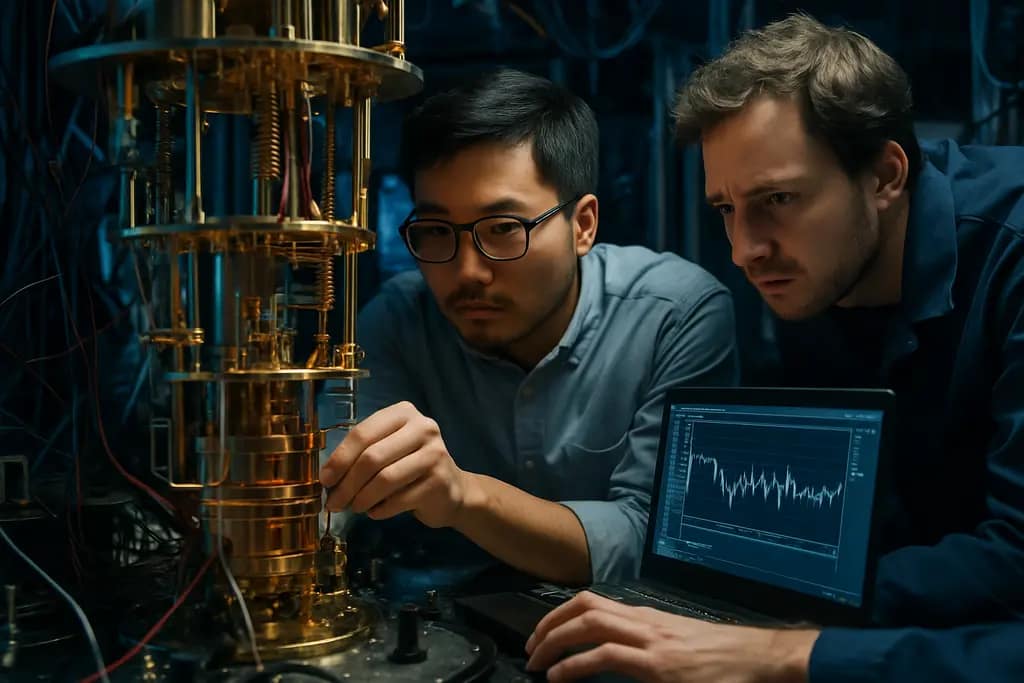
Quantum Sound Jumps were observed in real time in a Stanford experiment, pointing to possible uses in sensing and error correction.
Erasable Semiconductors for Smart Sensors

Erasable semiconductors could support reconfigurable electronics, but 2026 lab results still show voltage, scale, and integration limits.
A New Form of Boron Is Conductive and Surprisingly Plastic—But Can It Become an Engineering Material?
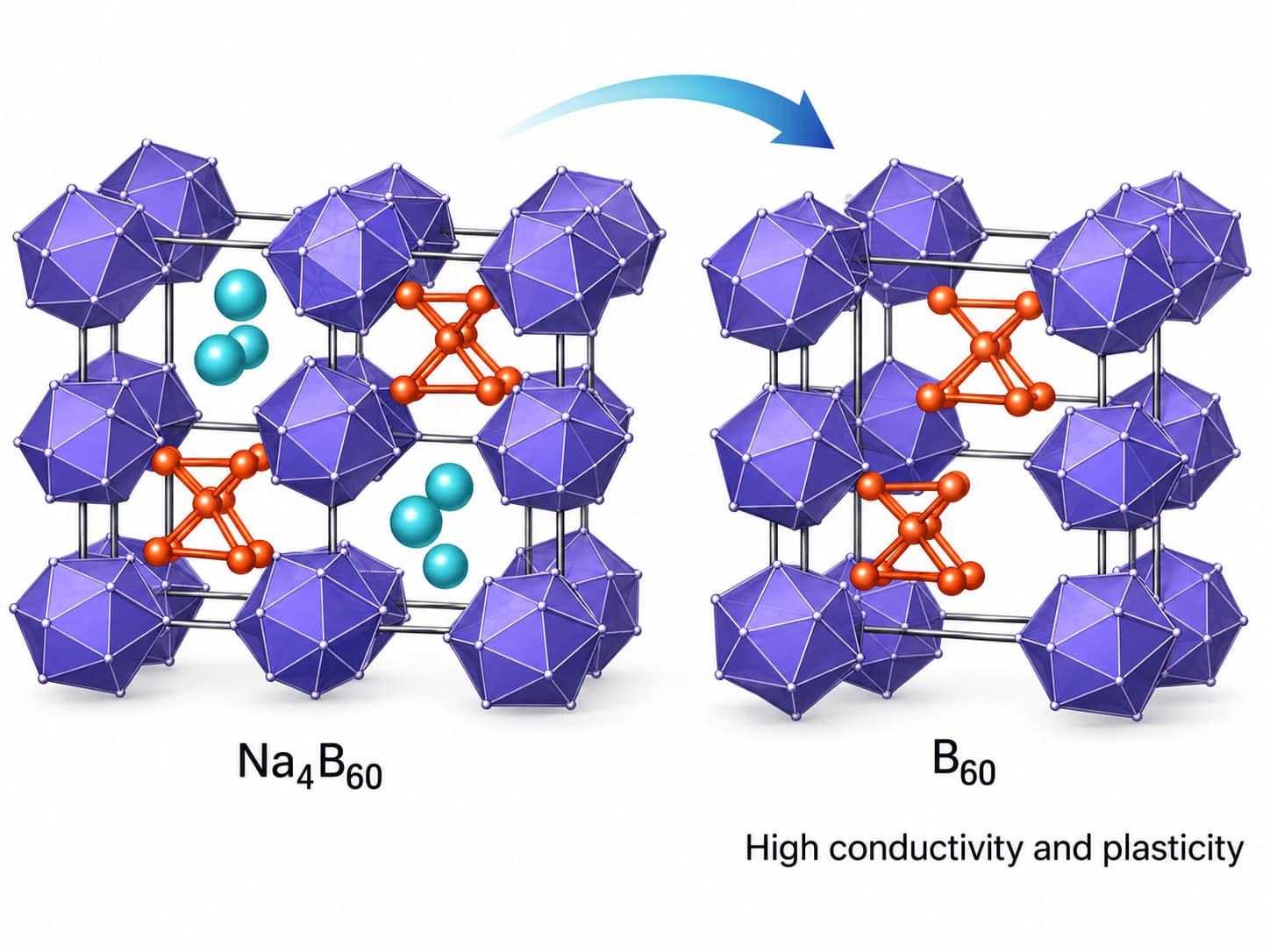
A newly synthesized form of boron has broken two expectations at once. The conductive boron material known as Imma-B60 carries electricity far better than conventional beta-boron while also tolerating about 23% plastic deformation in nanoscale compression tests. The science is striking, but the engineering question is harder: can a material Continue Reading
AI Magnet Design for Rare-Earth-Free Magnets
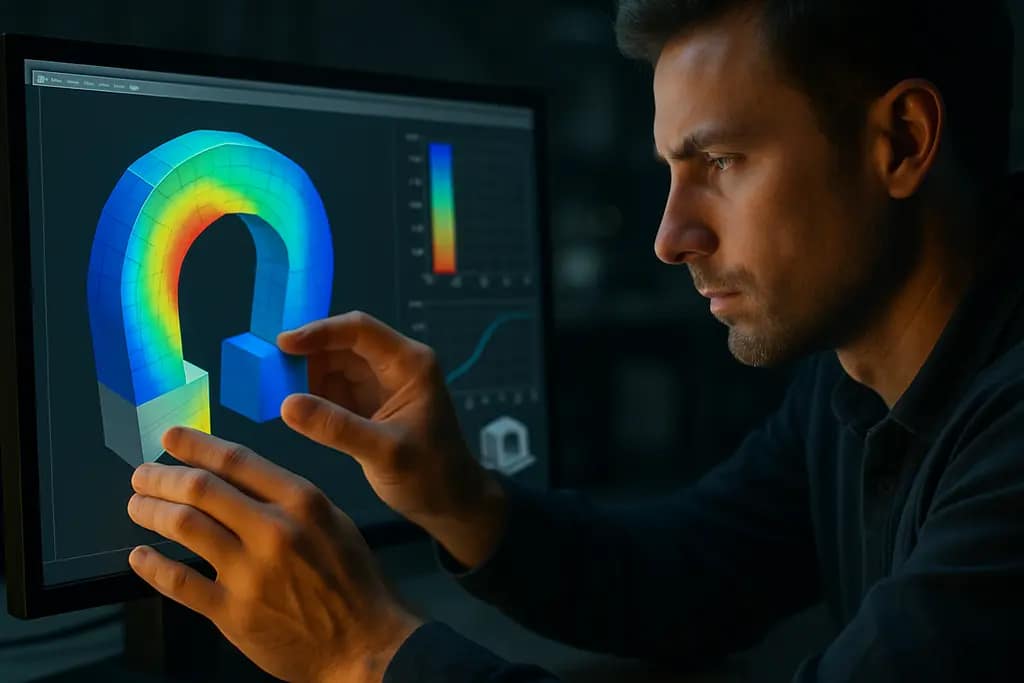
AI Magnet Design is speeding rare-earth-free magnet research, but evidence still points to lab-stage results and plant-scale barriers.