
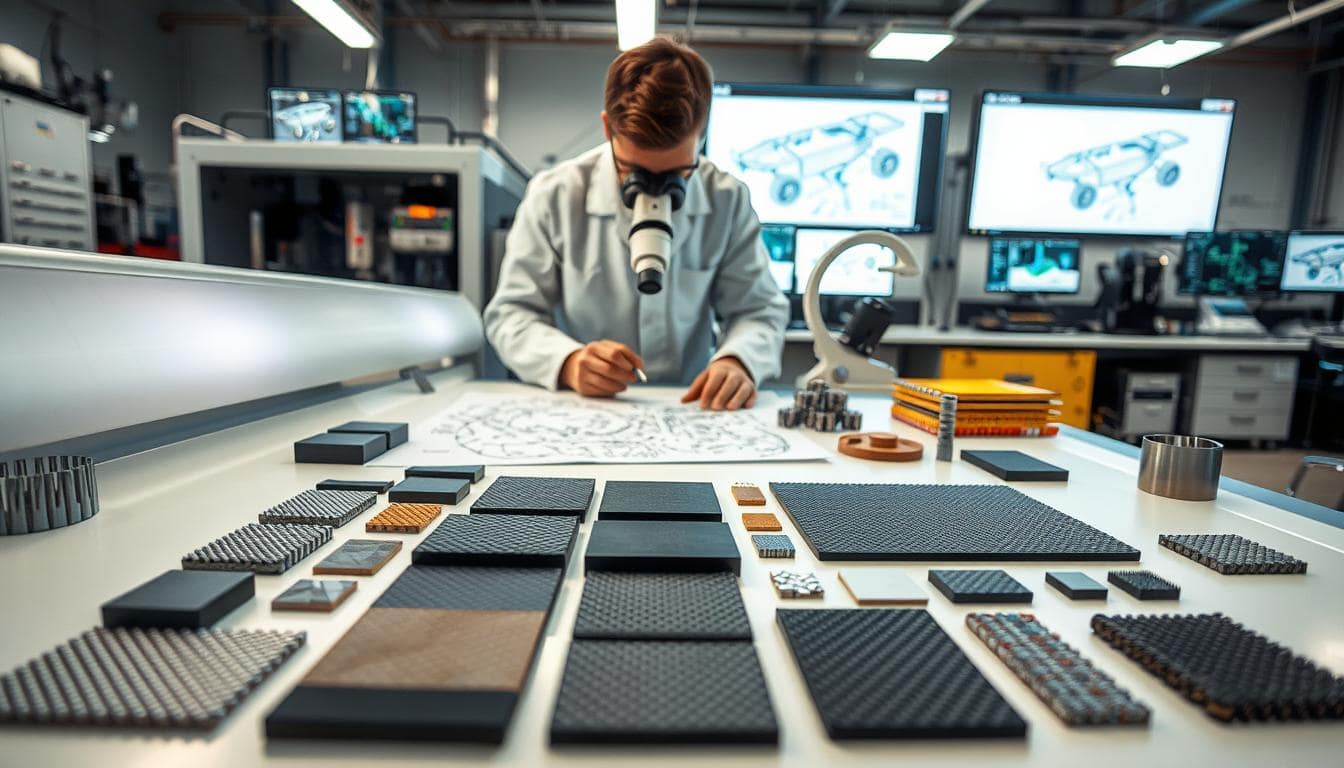
Ever seen a brilliant design fail spectacularly? I have. More operations crash from material missteps than from any fancy AI implementation.
It’s like building a sports car with bicycle parts. The blueprint might be genius, but the execution? Catastrophic.
Material selection isn’t just about durability anymore. It’s about creating machinery that thinks ahead and adapts to your specific needs.
The right materials directly impact performance and efficiency. Lightweight, high-strength components reduce overall weight and slash energy consumption.
This isn’t just engineering – it’s equipment innovation that makes competitors look like they’re using stone tools.
We’re diving into why your material choices are the secret sauce of next-level performance. Let’s explore how the unsung heroes of manufacturing make or break your operation.
Innovative Materials: Composites, Alloys, Polymers
Welcome to the materials revolution. Your grandfather’s steel beams are getting a serious upgrade. These new materials are not just small improvements. They are big changes in how things are made.
Composites are the material world’s overachievers. Imagine fiberglass and carbon fiber having a genius child. This child is both lightweight and incredibly strong. I’ve seen composites last longer than steel while being 60% lighter.
Alloys are like the wise elders who’ve learned new tricks. They’re not just basic stainless steel. Modern alloys mix metals like a master mixologist. They combine titanium and chromium for materials that resist corrosion and wear.
Polymers are the misunderstood geniuses of the material world. These plastic-based wonders flex where metals break and insulate where conductors fail. Advanced polymers can handle harsh chemicals that would dissolve traditional materials in hours.
The durability of these new materials is impressive and economically transformative. Equipment using these advanced compounds can run without downtime. It’s like having an employee who never calls in sick and works three shifts back-to-back.
| Material Type | Strength Advantage | Weight Reduction | Corrosion Resistance |
|---|---|---|---|
| Advanced Composites | 3-5x stronger than steel | 40-70% lighter | Excellent |
| Modern Alloys | 2-4x stronger than base metals | 15-30% lighter | Superior |
| High-Performance Polymers | Variable strength profiles | 60-80% lighter than metals | Exceptional |
What truly separates these new materials is their intelligence. They’re not just strong – they’re smart. They adapt to pressure and demands of modern manufacturing.
The shift toward innovative alloys and polymers is more than technical progress. It’s a change in how we design equipment. We’re moving from brute force to elegant efficiency, from maintenance-heavy to nearly maintenance-free.
These material innovations are quietly changing factories and production lines across the country. They’re the unsung heroes making American manufacturing more competitive and sustainable. The age of clunky, breakdown-prone equipment is ending, thanks to these sophisticated new materials that work smarter, not harder.
Advanced Manufacturing Processes
If materials are the actors in our industrial theater, manufacturing processes are the directors. And, oh, how the directing techniques have changed. We’ve moved from the industrial revolution’s rough methods to something much more precise.
Additive manufacturing companies build components layer by layer, not by removing material like traditional machining. These companies are great for complex shapes, quick prototypes, or small batches of custom parts.
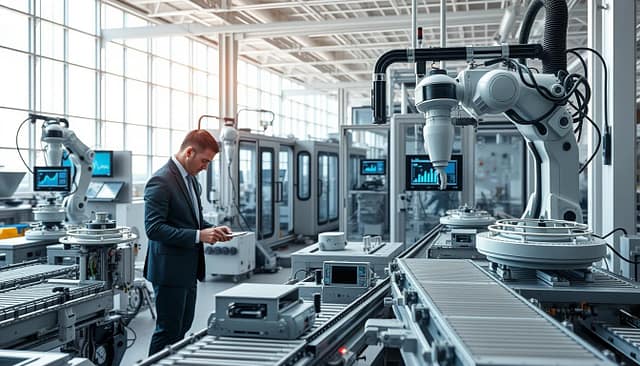
It’s not just 3D printing – it’s like watching a digital Michelangelo carve David from digital marble. The precision is amazing. CNC machining is so exact, it makes Swiss watchmakers look like they’re using boxing gloves.
Then there’s hybrid manufacturing – the manufacturing supergroup where each process brings its A-game. It’s like having Led Zeppelin, Queen, and The Beatles all playing the same instrument.
These advanced processes aren’t just about making things faster or cheaper. They’re about creating possibilities that were once science fiction. The difference between painting by numbers and creating a masterpiece.
The real magic happens when you realize these processes aren’t competing. They’re collaborating. Additive manufacturing handles the impossible geometries. CNC machining delivers the flawless finishes. Hybrid approaches blend the best of both worlds.
It’s manufacturing’s renaissance period – and we’re all just lucky to be watching the masters at work.
Selection Criteria
Choosing materials for custom equipment is not like swiping right on Tinder. It’s more like planning a military campaign. Every variable could become your Waterloo. The process demands strategic precision that would make Napoleon jealous.
Front end loading, or front end engineering design (FEED), serves as your battle plan. This pre-project phase defines scope, approach, and costs before committing resources. Think of it as your equipment innovation prenup – establishing clear terms before saying “I do” to any material or process.
The real magic happens when you move beyond availability to possibility. Here’s your tactical checklist for material selection:
- Operational compatibility: Will this material perform under actual working conditions?
- Temperature resistance: Can it handle the heat without getting cold feet?
- Corrosion tolerance: Will it survive chemical exposure without dissolving like a politician’s promise?
- Regulatory compliance: Does it meet industry standards without requiring bureaucratic gymnastics?
- Long-term relationship: Will this material age gracefully or become high-maintenance?
Each criterion represents a deal-breaker. Get one wrong, and your equipment innovation becomes an expensive lesson in what-not-to-do.
The selection process resembles a master sommelier pairing wine with food. You’re matching material properties to operational demands with surgical precision. The right combination creates harmony; the wrong one creates chaos.
| Selection Factor | Critical Questions | Red Flags | Innovation |
|---|---|---|---|
| Material Properties | Does it withstand operational stress? How does it react to environmental factors? | Limited testing data, unknown failure points | New composite applications, hybrid material solutions |
| Manufacturing Fit | Can existing processes handle this material? What adaptations are needed? | Requires completely new equipment, inconsistent results | Process-material synergy, reduced production steps |
| Cost Timeline | Does the ROI justify premium materials? What’s the total lifecycle cost? | Hidden expenses, maintenance nightmares | Long-term savings, reduced downtime |
| Regulatory Landscape | Does it meet current standards? How might regulations change? | Approval uncertainties, compliance gray areas | Future-proof design, industry leadership |
| Scalability | Can we source this material consistently? Will supply chain issues arise? | Single-source dependency, geopolitical risks | Localized production, alternative material networks |
This table isn’t just a checklist – it’s your strategic advantage in equipment innovation. Each “Innovation” column represents opportunities to leapfrog competitors.
The most successful selections occur when engineers stop asking “what works” and start questioning “what works better.” That mindset shift transforms adequate equipment into extraordinary solutions that redefine industry standards.
Remember: material selection isn’t about finding the perfect candidate. It’s about identifying the best partner for your specific operational marriage – one that will grow and adapt.
Performance Benefits
If equipment performance were a Marvel movie, these new materials would be the Infinity Stones. They don’t just tweak the storyline – they rewrite the entire cinematic universe of your operation.

Remember that scene in every heist movie where the smooth operator bypasses the security system in seconds? That’s what happens when you integrate advanced composites and alloys. Your equipment suddenly operates with the efficiency of a seasoned cat burglar.
The data doesn’t lie: operations using optimized new materials can achieve 30% energy reductions. That’s not just saving money – it’s basically printing it. Dowtime becomes that distant relative you only see at awkward family gatherings.
Durability? These materials laugh in the face of wear and tear. While conventional equipment needs constant maintenance, advanced polymers and composites keep performing like they’ve discovered the fountain of youth.
Precision reaches levels that would make a neurosurgeon nod in approval. We’re talking tolerances so tight they’d make a Swiss watchmaker blush. The consistency is almost unnerving – like that friend who always remembers your birthday exactly at midnight.
The transformation isn’t subtle. It’s the difference between dial-up internet and fiber optic. These new materials turn your operation from a cost center into your competitive advantage – the secret weapon that leaves competitors wondering what alien technology you’ve discovered.
At the end of the quarter, when those performance numbers hit the spreadsheet, even your CFO might crack a smile. And if you’ve ever seen a CFO smile about capital expenditures, you know you’ve achieved something truly magical.
Case Examples
Let’s look at how advanced processes work in real life. Theory is great, but it’s the results that really matter. It shows who’s truly innovative and who’s just talking.
A big pharmaceutical company from the Process Industry Informer study is a great example. They built a $2-billion facility focused on precision medicine. Their secret was advanced processes that made their systems incredibly clean.
Another example is a food processing company that used modular equipment smartly. They created systems that grew production quickly, like magic. Their profits soared.
Companies in the agricultural chemical industry had tight deadlines. They used advanced processes to meet these deadlines and keep quality high. It was like they were working with NASA standards.
These stories are more than just success tales. They show how choosing the right materials can lead to big wins. When advanced polymers meet production lines, amazing things happen.
| Industry | Challenge | Advanced Process Solution | Result | ROI Timeline |
|---|---|---|---|---|
| Pharmaceutical | $2B expansion requiring precision systems | Sanitary advanced processes | Multiple successful bids secured | 18 months |
| Food Processing | Production scaling limitations | Modular custom equipment | Exponential growth capacity | 12 months |
| Agricultural Chemicals | Impossible deadline pressure | Custom skid systems | Deadlines met with premium quality | 9 months |
Each story shows how advanced processes turn theory into reality. The pharmaceutical company didn’t just build facilities. They created precise ecosystems. The food processor didn’t just increase output. They redefined what’s possible.
These examples show that using innovative materials and advanced processes is more than just making products. It’s about building advantages that make even the toughest CFO smile.
Conclusion
We’ve reached the end, but it’s really just the start. Equipment innovation isn’t a quick fix. It’s like trying to change tires on a moving Ferrari.
The materials revolution is speeding up, like a Silicon Valley startup’s value. We know client needs change fast, like pop culture trends. So, we see equipment design as ongoing, not just a one-time thing.
Companies that win today see equipment as a strategic investment. It’s not just spending money; it’s a smart move that keeps paying off.
Using the right materials and manufacturing changes everything. It turns your factory into a place of endless possibilities. In today’s market, this is not just an advantage; it’s a must to survive.
This journey of equipment innovation sets leaders apart from followers. The future is for those who see material science as a powerful tool. It’s time to act.


