
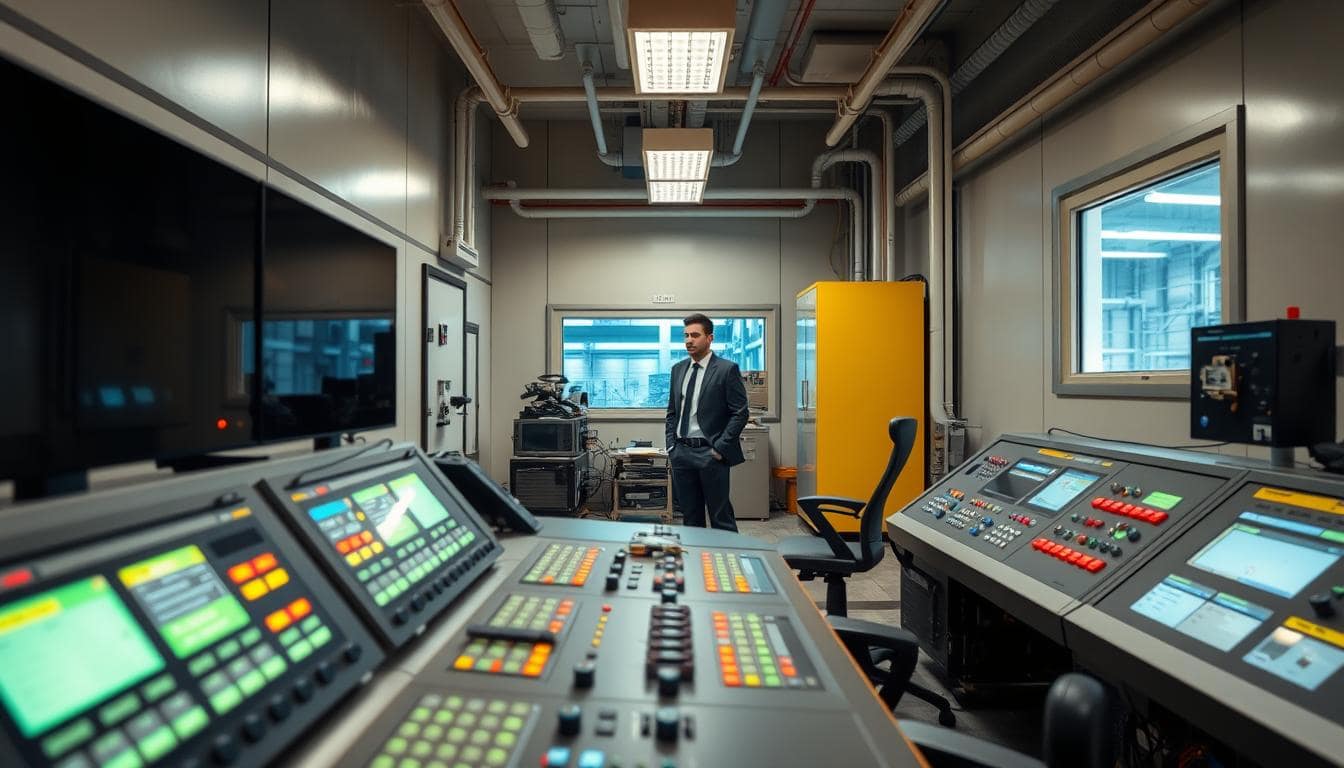
In today’s world, keeping hazardous locations safe is key. Class I, Division 2 areas are special because they have flammable gases or vapors. These can get out during problems like equipment failures or when doing maintenance.
Having a strong modernization plan is important to handle these risks. It starts with a detailed plan and a clear map of Division 1 and 2 zones. This makes sure all equipment, like electrical devices and control panels, is safe for the area.
Also, adding gas detection systems boosts safety. These systems trigger alarms and emergency plans, based on what the AHJ says. The aim is to make sure these areas are safe and follow OSHA and NFPA rules.
Compliance Gaps: aging seals, enclosure ratings, non-rated IO, purge failures
In the world of hazardous area modernization, finding compliance gaps is key. These gaps can risk safety and efficiency. Issues include old seals, wrong enclosure ratings, and non-rated I/O devices. Also, failing purge systems are a big risk.
Aging cable seals often fail first. Over time, the materials break down from harsh vapors, heat, or UV. This makes the seals no longer gas-tight, posing dangers.
Another big problem is mismatched enclosure ratings. For example, using NEMA 4X in areas needing NEMA 7 can be very dangerous. Also, Type Z enclosures might not keep pressure due to clogged filters or worn gaskets, risking safety.
Non-rated I/O devices, like pushbuttons and sensors, are often found during audits. Maintenance teams might install them without knowing the needed classifications. This can lead to big compliance issues.
Purge system failures are very concerning. A Type X or Type Z panel losing pressure for just a few seconds in a Division 2 area can be dangerous. It makes the area flammable, defeating the safety purpose.
To find these gaps, a detailed field check is needed. Use UL and FM databases, nameplates, and hazardous area drawings for checks. Also, test pressure decay and inspect seals visually. Thermographic screening can spot hot spots in electrical parts.
These gaps are not just maintenance issues. They are serious violations that can cancel insurance and lead to OSHA actions. They show a lack of safety and can cause big problems.
Engineering Package: IS barriers, purged panels, cable seals, gas detection logic, e-stops
The engineering package is key for safety and following rules in hazardous areas. It includes parts that work together to keep Class I, Division 2 areas safe.
Intrinsically Safe (IS) Barriers are the first defense. They make sure devices in dangerous areas don’t get too hot. They use special isolators and barriers to keep things safe, following important standards.
Purged Panels are also very important. In Division 2 areas, they need to be filled with gas four times before they can work. They must keep a certain pressure level to stay safe.
Cable Seals stop bad stuff from getting into enclosures. They use special compounds or mechanical seals. How they’re installed matters a lot.
Gas Detection Logic helps keep things safe by working with other systems. It uses sensors to check for dangers and can stop the whole process if needed.
Emergency Stops (E-stops) are for quick safety actions. They must be wired directly and not depend on the main system. This lets them work fast, even when other systems don’t.
In short, the engineering package is more than just parts. It’s a complete system where every piece works together. This is what makes hazardous areas safe and modern.
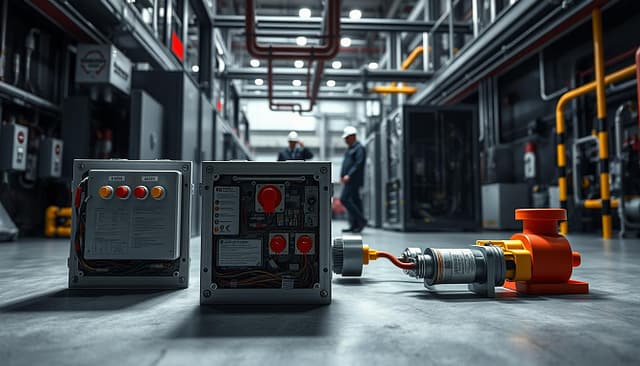
Execution Windows: hot work permits, live plant constraints, planned outages
Effective planning for hazardous area modernization requires a keen awareness of execution windows and operational limitations. In active facilities, downtime is costly. Upgrades must be done without disrupting operations. Hot work permits are key for tasks like cutting, welding, or grinding in classified areas. These permits ensure safety, including gas monitoring and fire watch personnel, following NFPA 51B standards.
Live plant constraints often complicate modernization. Some processes can’t be stopped for upgrades. This calls for creative solutions, like temporary enclosures for new I/O terminations. Phased cutover strategies help keep safety functions safe during the transition.
To cut downtime during planned outages, pre-fabrication is essential. Preparing conduit racks and cable tray assemblies outside hazardous areas saves field labor. Pre-commissioning control panels in safe areas makes the transition smoother. Staging explosion-proof enclosures with pre-poured seals boosts efficiency.
A detailed constructability analysis is vital. It maps each activity against area classifications, showing needed isolations and gas-free certifications. By planning work well, teams can reduce downtime. This ensures execution planning is a key part of successful modernization.
Testing & Documentation: purge calc sheets, loop checks, proof tests, master drawings
A good testing and documentation process is key to making systems safe and reliable. In hazardous areas, this is even more important. The first step is to create purge calculation sheets. These documents check if the purge gas flow rates are enough to clean each enclosure.
They look at things like the size of the enclosure, the pressure of the purge gas, and how much gas leaks. These calculations must follow NFPA 496 rules for Type Z purging. This means the gas must flow through the enclosure at least four times before power can be turned on.
After that, loop checks are done to make sure everything works right. They check if signals from sensors go through the system correctly. This includes from the sensor to the alarm and any actions that need to happen.
Each loop check records what was found and what was fixed. Next, proof testing is done as described in ISA TR84.00.03. This test makes sure sensors work right by using real calibration gas. It also checks if the system can shut down quickly.
Also, keeping master drawings up to date is very important. This includes plans, drawings, and other documents that show what was built. It’s all about keeping everything organized and accurate.
Lastly, checking ATEX/UL certification is a must. Each device’s nameplate must match the current certification database. This shows that everything is up to code and safe.

Outcomes: incident risk reduction, insurance requirements met, audit pass, uptime preserved
Upgrading hazardous areas makes them safer and meets strict rules. These changes cut down on risks of accidents. By using new gas detection systems, places move from old safety methods to better ones.
These new systems can quickly respond to dangers. This makes places safer for people and keeps operations running smoothly.
Meeting insurance needs is another big win. Insurers want to see that places handling dangerous materials follow the rules. By updating, places can get insurance without extra costs or riders.
Passing audits is key to keeping licenses. Inspectors check if places follow rules, like OSHA and EPA. A clear update plan helps pass these checks, avoiding fines.
Keeping operations running is another big plus. Modern systems and plans for parts mean less downtime. This keeps businesses running without interruptions.
In short, updating hazardous areas is more than just following rules. It’s a smart move to manage risks and keep operations safe and efficient.
Lessons: specify for maintainability and spares
In hazardous area modernization, a key lesson is to focus on maintainability. Many see compliance spending as a one-time cost. But, this can lead to ongoing expenses like calibration and service contracts.
The 30/60/90 plan is a helpful structure. In the first 30 days, check and stabilize operations. Make sure hazardous classifications match actual conditions. Review gas detection documents and maintenance history.
Days 31 to 60 aim to lower risks. Upgrade equipment, set up maintenance schedules, and define vendor roles. Training operators on alarm and shutdown procedures is also key.
In the last phase, days 61 to 90, aim for durability. Organize records for audits and align facility documents with procedures. Include service costs in budgets to avoid surprises.
Choosing equipment with easy maintenance is vital. Explosion-proof enclosures with easy access help. They may cost more upfront but make maintenance easier and prevent compliance issues.
Having a spares strategy is also critical. Equipment with long lead times need a spares inventory. Assess equipment criticality and mean time to failure to set stock levels.
Successful modernizations focus on long-term maintenance. This approach ensures the engineering team considers maintenance needs. It leads to sustainable compliance.


