
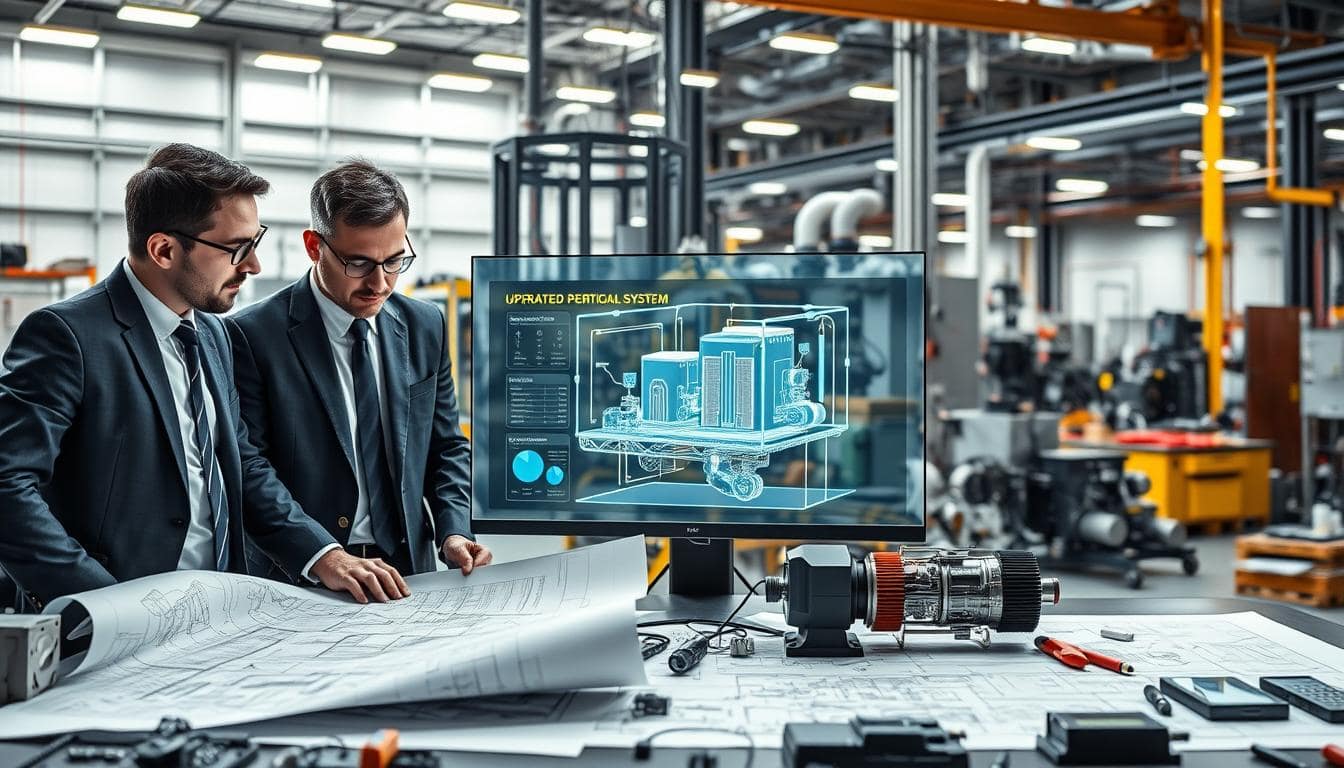
Let’s talk about that old PLC from the ’90s in your factory. It’s like a classic rock star—loved, but getting old and needing special care to keep it going.
The idea of a full “rip and replace” overhaul is tempting. It offers new, shiny parts. But is it really the best choice? Often, it’s just too much.
Your current automation is a big investment. Instead of throwing it away, think about a smart update. Bespoke engineering can keep your system running while adding new tech.
This way of updating fights obsolescence and saves money. You spend less upfront, have less downtime, and keep your team’s skills. Your equipment can last for over a decade.
Why replace everything when you can just upgrade key parts? A smart retrofit and upgrades plan is a win, not a loss.
Retrofit Triggers: obsolescence, OEE loss, safety gaps, energy use
Modernization isn’t just about getting new stuff. It’s about fixing four big problems quietly. These issues don’t shout for help like a broken machine. Instead, they whisper through reports, hum in safety checks, and quietly raise your energy bills.
Your old HMI screen has stopped working. The spare part is from 2003. This isn’t just old news—it’s a big risk.
Obsolescence slowly makes your equipment useless. It turns your control panel into a relic. A blunt question asks, “Are you aware of all your obsolete hardware? What are you doing about it?” Often, people look to eBay or hope for miracles.
The real trouble starts when you try to connect old systems. Your new MES or ERP can’t talk to the old PLC. This gap is why controls modernization is essential. It connects your past and future investments.
The Tragic Decline: OEE Loss
Your Overall Equipment Effectiveness (OEE) slowly gets worse. The machine isn’t broken. It’s just worn out.
Cycle times get longer. Yield percentages drop. Scrap rates go up. You’re working harder but making less. This isn’t a simple fix with a wrench. It’s a sign of outdated tech.
The machine says, “I could do better with a little help.” Listening to it is the first step to controls modernization.
The Code Has Evolved: Safety Gaps
Safety rules keep changing. But your 20-year-old safety systems haven’t.
The gap isn’t from being careless. It’s because safety standards have moved on. What was okay in 2004 might now be risky. This creates hidden dangers that only show up in audits or incidents.
Today’s safety systems do more than follow rules. They build a culture of safety into every process.
The Silent Profit Killer: Energy Inefficiency
Your energy bill is quietly costing you money. Those motors running full-tilt for partial loads? They’re wasting cash.
Modern VFDs can cut energy use by 30% or more. Compressed air systems leak a lot. Heat recovery is often ignored. Saving energy here isn’t just good for the planet—it’s good for your bottom line.
An energy audit often finds the biggest savings aren’t in lights. They’re in the controls and drives that power your factory.
From Whispers to Action
These four issues—obsolescence, OEE loss, safety gaps, and energy waste—are like a checklist. They’re your equipment’s way of asking for help.
Fixing them isn’t optional. It’s how you move from quick fixes to smart investments. Many places “need to integrate enterprise systems with older equipment.” This integration is key to smart upgrades.
The question changes from “if” to “when and how.” A smart controls modernization plan tackles these issues as chances for growth. It brings harmony back to your operations.
FAQ
Q: What is the importance of controls modernization in the manufacturing industry?
A: Controls modernization is essential for the manufacturing industry as it improves efficiency, reduces costs, and enhances product quality. It involves upgrading outdated control systems to modern automation technologies, leading to increased productivity and competitiveness.
Q: What are the benefits of retrofitting servo drives in manufacturing?
A: Retrofitting servo drives in manufacturing offers several benefits, including improved precision, increased speed, and enhanced control. It allows for the integration of advanced automation technologies into existing systems, leading to increased efficiency and productivity.
Q: How can I choose the right servo drive for my manufacturing needs?
A: When selecting a servo drive for your manufacturing needs, it is important to consider factors such as power output, speed, and control capabilities. It is recommended to consult with a reputable supplier or manufacturer who can provide expert advice and guidance in choosing the right servo drive for your specific requirements.
Q: What are the advantages of using a servo drive in manufacturing?
A: Servo drives offer several advantages in manufacturing, including improved precision, increased speed, and enhanced control. They provide accurate and reliable motion control, allowing for high-speed and high-precision applications. Servo drives also offer advanced features such as programmable logic controllers (PLCs) and human-machine interfaces (HMIs), making them a valuable addition to manufacturing systems.
Q: How can I optimize my servo drive for maximum performance?
A: To optimize your servo drive for maximum performance, it is important to properly configure and calibrate the drive. This includes setting the correct parameters, such as speed and torque, and ensuring proper communication with the control system. Regular maintenance and troubleshooting are also essential to ensure optimal performance and longevity of the servo drive.
Q: What are the benefits of using a servo drive in manufacturing?
A: Servo drives offer several benefits in manufacturing, including improved precision, increased speed, and enhanced control. They provide accurate and reliable motion control, allowing for high-speed and high-precision applications. Servo drives also offer advanced features such as programmable logic controllers (PLCs) and human-machine interfaces (HMIs), making them a valuable addition to manufacturing systems.
Q: How can I optimize my servo drive for maximum performance?
A: To optimize your servo drive for maximum performance, it is important to properly configure and calibrate the drive. This includes setting the correct parameters, such as speed and torque, and ensuring proper communication with the control system. Regular maintenance and troubleshooting are also essential to ensure optimal performance and longevity of the servo drive.
Q: What are the benefits of using a servo drive in manufacturing?
A: Servo drives offer several benefits in manufacturing, including improved precision, increased speed, and enhanced control. They provide accurate and reliable motion control, allowing for high-speed and high-precision applications. Servo drives also offer advanced features such as programmable logic controllers (PLCs) and human-machine interfaces (HMIs), making them a valuable addition to manufacturing systems.
Q: How can I optimize my servo drive for maximum performance?
A: To optimize your servo drive for maximum performance, it is important to properly configure and calibrate the drive. This includes setting the correct parameters, such as speed and torque, and ensuring proper communication with the control system. Regular maintenance and troubleshooting are also essential to ensure optimal performance and longevity of the servo drive.
Controls Modernization: PLC Migration, Drives Refresh, and HMI UX
Upgrading your PLCs, drives, and HMIs is like switching from a typewriter to a quantum computer. It’s a big leap, not just a small step. This is when your retrofit project makes a deep change to your production line’s heart.
Let’s talk about the brain upgrade: PLC migration. Those old Allen-Bradley PLC-5s and Siemens S5s are more than just outdated. They hold back your progress. Moving to a ControlLogix or S7-1500 platform is a big change.
It’s a chance to make your logic smoother, add safety to the CPU, and open doors to the Industrial Internet of Things. It’s like giving your factory a brain boost.

Then, there’s the muscle part: drives and servos. An old servo drive isn’t just a broken piece of hardware. It slows down your precision, speed, and ability to diagnose problems. A modern retrofit servo turns into a smart data collector.
It sends back information on torque, temperature, and performance live. This isn’t just fixing things; it’s giving you power. Your retrofit servo becomes the eyes and ears of your motion control.
Lastly, we look at the face of your operation: the Human-Machine Interface. Swapping an old green-screen CRT for a modern touchscreen is just the start. The real challenge is making the interface easy to use.
A messy, hard-to-use HMI is like a bad cockpit design. We make interfaces that are easy to use, cut down on mistakes, and reduce training time. Good design makes complex tasks simple.
This trio—brain, muscle, and face—defines the smarts of your retrofit servo and controls modernization project. Get it right, and you don’t just fix old stuff. You set up a base for future innovation.
Q: What is a safety upgrade?
A: A safety upgrade refers to the process of improving the safety features of a vehicle. This can include installing advanced safety technologies, such as collision avoidance systems, lane departure warning systems, and blind spot monitoring systems. It can also involve upgrading existing safety features, such as airbags, anti-lock braking systems (ABS), and electronic stability control (ESC).
Q: Why is a safety upgrade important?
A: A safety upgrade is important because it enhances the overall safety of a vehicle. By installing advanced safety technologies and upgrading existing safety features, a safety upgrade can help prevent accidents and reduce the risk of injury or harm to occupants. It can also provide peace of mind for drivers and passengers, knowing that they are protected in the event of an emergency.
Q: What are some common safety upgrades for vehicles?
A: Some common safety upgrades for vehicles include the installation of advanced safety technologies, such as collision avoidance systems, lane departure warning systems, and blind spot monitoring systems. These systems use sensors and cameras to detect and alert the driver to potentially dangerous situations, helping to prevent accidents. Upgrading existing safety features, such as airbags, ABS, and ESC, can also enhance the overall safety of a vehicle.
Q: How can I find a reputable auto body shop for a safety upgrade?
A: When searching for a reputable auto body shop for a safety upgrade, it is important to consider factors such as experience, expertise, and reputation. Look for a shop that specializes in safety upgrades and has a proven track record of providing high-quality work. Reading customer reviews and testimonials can also help you find a trusted auto body shop that can meet your safety upgrade needs.
Q: What are the benefits of a safety upgrade?
A: The benefits of a safety upgrade include enhanced protection for occupants, improved accident prevention, and increased peace of mind for drivers and passengers. By investing in a safety upgrade, you can have confidence in the safety of your vehicle and enjoy a more secure driving experience.
Q: How can I schedule a safety upgrade for my vehicle?
A: To schedule a safety upgrade for your vehicle, you can contact a reputable auto body shop that specializes in safety upgrades. They will be able to assess your vehicle’s current safety features and recommend the necessary upgrades. They will also provide a detailed estimate of the cost and timeline for the safety upgrade.
Understanding the Concept of Obsolescence
Obsolescence is a term that describes when something becomes outdated or no longer useful. It can happen to products, technologies, or even ideas. This concept is important in understanding how things change and evolve over time.
There are different types of obsolescence, each with its own characteristics. Technical obsolescence occurs when a product or technology becomes outdated due to advancements in the field. For example, older smartphones may no longer support the latest operating systems or apps.
Functional obsolescence happens when a product or technology becomes less useful due to changes in user behavior or preferences. For instance, a VHS player became less popular as DVDs and streaming services became more common.
Perceptual obsolescence occurs when consumers start to view a product or technology as outdated or less desirable. This can happen even if the product or technology is functional and works well. It’s often driven by marketing and advertising campaigns that create a sense of urgency or exclusivity around new products.
Obsolescence is a natural part of progress and innovation. As new technologies and products emerge, older ones become less relevant. It’s important to stay updated and adapt to these changes to remain relevant in a rapidly evolving world.
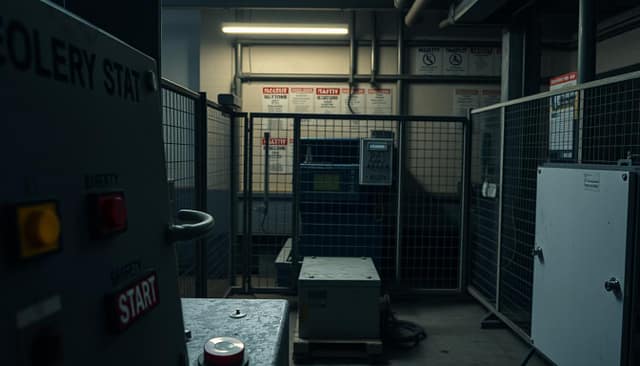
Examples of Obsolescence
Here are a few examples of obsolescence:
- Older computers becoming less compatible with newer software and operating systems.
- Landline phones becoming less popular as mobile phones and VoIP services gain traction.
- CD players becoming outdated as streaming services like Spotify and Apple Music become more popular.
These examples illustrate how obsolescence can occur in different areas of our lives, from technology to entertainment.
FAQ
Q: What are some common issues with AC units in Grand Rapids?
A: Common issues include refrigerant leaks, dirty filters, and malfunctioning thermostats.
Q: How can I prevent AC unit problems in Grand Rapids?
A: Regular maintenance, such as cleaning filters and checking refrigerant levels, can help prevent issues.
Q: What are some signs that my AC unit needs repair in Grand Rapids?
A: Signs include warm air coming out of the vents, strange noises, and increased energy bills.
Q: How can I choose the right AC repair company in Grand Rapids?
A: Look for companies with experienced technicians, positive customer reviews, and a wide range of services.
FAQ
Q: What is the role of the U.S. Department of Agriculture (USDA) in the 2024 Farm Bill?
A: The USDA plays a significant role in the 2024 Farm Bill, overseeing various programs and initiatives that support farmers, ranchers, and rural communities. The USDA is responsible for implementing the bill’s provisions and ensuring its effective implementation.
Q: What are the key provisions of the 2024 Farm Bill?
A: The 2024 Farm Bill includes provisions such as crop insurance, conservation programs, and support for beginning farmers. It also addresses issues like climate change, soil health, and rural development.
Q: How does the 2024 Farm Bill address climate change?
A: The 2024 Farm Bill includes provisions aimed at addressing climate change, such as promoting sustainable agriculture practices, reducing greenhouse gas emissions, and supporting farmers in adopting climate-resilient practices.
Q: What are the conservation programs included in the 2024 Farm Bill?
A: The 2024 Farm Bill includes conservation programs aimed at protecting and improving soil health, promoting biodiversity, and reducing erosion. These programs provide financial and technical assistance to farmers and ranchers to implement conservation practices.
Q: How does the 2024 Farm Bill support beginning farmers?
A: The 2024 Farm Bill includes provisions aimed at supporting beginning farmers, such as financial assistance, training programs, and access to land and resources. These initiatives help new farmers overcome barriers and establish successful farming operations.
Q: What is the impact of the 2024 Farm Bill on rural communities?
A: The 2024 Farm Bill has a positive impact on rural communities by providing support for rural development, improving access to healthcare and education, and promoting economic opportunities. It aims to strengthen rural communities and enhance their overall well-being.
Q: How does the 2024 Farm Bill address food security?
A: The 2024 Farm Bill includes provisions aimed at addressing food security, such as programs that support food banks, nutrition assistance, and initiatives to improve access to healthy and nutritious food. It aims to ensure that everyone has access to adequate and nutritious food.
Q: What are the benefits of the 2024 Farm Bill for farmers and ranchers?
A: The 2024 Farm Bill provides benefits for farmers and ranchers, such as financial assistance, support for beginning farmers, and access to resources and training. It aims to enhance their productivity, profitability, and overall well-being.
Q: What are the key takeaways from the 2024 Farm Bill?
A: The 2024 Farm Bill addresses various important issues, including climate change, conservation, support for beginning farmers, and food security. It aims to promote sustainable agriculture, improve soil health, and enhance the overall well-being of farmers, ranchers, and rural communities.
FAQ
Q: What is a safety upgrade?
A: A safety upgrade refers to the process of improving the safety features of a vehicle. This can include installing advanced safety technologies, such as collision avoidance systems, lane departure warning systems, and blind spot monitoring systems. It can also involve upgrading existing safety features, such as airbags, anti-lock braking systems (ABS), and electronic stability control (ESC).
Q: Why is a safety upgrade important?
A: A safety upgrade is important because it enhances the overall safety of a vehicle. By installing advanced safety technologies and upgrading existing safety features, a safety upgrade can help prevent accidents and reduce the risk of injury or harm to occupants. It can also provide peace of mind for drivers and passengers, knowing that they are protected in the event of an emergency.
Q: What are some common safety upgrades for vehicles?
A: Some common safety upgrades for vehicles include:
- Installing advanced safety technologies, such as collision avoidance systems, lane departure warning systems, and blind spot monitoring systems.
- Upgrading existing safety features, such as airbags, anti-lock braking systems (ABS), and electronic stability control (ESC).
- Installing rearview cameras to improve visibility and reduce the risk of accidents.
- Installing dash cams to provide evidence in the event of an accident.
- Installing steering wheel locks to prevent theft and unauthorized use of the vehicle.
Q: How can I find a reputable auto body shop for a safety upgrade?
A: When searching for a reputable auto body shop for a safety upgrade, it is important to consider factors such as experience, expertise, and reputation. Look for a shop that specializes in safety upgrades and has a proven track record of delivering high-quality work. Read customer reviews and ask for referrals from trusted sources. It is also important to ensure that the shop uses high-quality parts and follows industry standards for safety upgrades.
Q: What are the benefits of a safety upgrade?
A: The benefits of a safety upgrade include:
- Enhanced safety features to protect occupants in the event of an accident.
- Advanced safety technologies to prevent accidents and reduce the risk of injury or harm.
- Peace of mind for drivers and passengers, knowing that they are protected in the event of an emergency.
- Increased resale value of the vehicle, as safety upgrades can be attractive to buyers.
Q: How can I schedule a safety upgrade for my vehicle?
A: To schedule a safety upgrade for your vehicle, you can contact a reputable auto body shop that specializes in safety upgrades. They will be able to assess your vehicle’s current safety features and recommend the necessary upgrades. They will also provide a detailed estimate of the cost and timeline for the safety upgrade. You can then schedule an appointment at a convenient time and have your vehicle upgraded with the latest safety technologies.
ROI Modeling: cycle time, yield, scrap, MTBF/MTTR
Every good business story ends with the numbers. The return on a retrofit isn’t just a hope. It’s a clear model based on hard metrics. We look at gains like better cycle time and more good parts.
We also see less waste and better reliability. This is thanks to Mean Time Between Failure and quick recovery times.
This financial story fights against the cost of old technology. A Tier 1 auto supplier upgraded twelve FANUC robots. They saw a 15% improvement in cycle time with vision integration and a longer life span.
This shows the strength of smart upgrades and retrofits.
You can make your own ROI model using a ROI checklist. It helps you see throughputs, scrap cuts, and payback times. Compare the savings to the cost. The story will be clear.
This isn’t just spending. It’s using your assets in a new, profitable way. The report isn’t just numbers. It’s a strong case for growing your business.


