

Quantum sensors improved nuclear monitoring evidence in 2026, but deployment still faces scale, cost, cryogenic and validation limits.
Non-Inert Substrates in Thin Film Design

Non-Inert Substrates can alter strain, adhesion, cracking, and photonic reliability in thin film devices; evidence points to design caution.
Stabilizing Tin Perovskite Transistors Carefully

Tin Perovskite Transistors show stronger performance after surface treatment, but scale, oxidation, and lifecycle questions remain.
ultrathin dielectric substrates in WBG Modules

How ultrathin dielectric substrates affect thermal resistance, leakage, capacitance, and manufacturability in WBG power modules.
Li-rich electrodes and Interface Stability

Li-rich electrodes need stable interfaces for long cycle life; recent studies show gains, limits, and scale-up questions for industry.
Scaling Thin-Film Materials For Clean Energy

Thin-film materials show strong lab results, but scale-up still depends on stability, yield, supply risk, and bankable field evidence.
hybrid AI-physics models For Water Prediction

Hybrid AI-physics models improve some water forecasts, but recent studies show limits in uncertainty, data needs, and process representation.
Battery Oxygen Release in Solid-State EV Cells

Battery oxygen release limits solid-state EV cell life; recent coatings show lab gains, but scale, cost, and safety validation remain open.
What If the Car Body Became the Battery? A £7 Million Program Is Testing Structural Power Composites
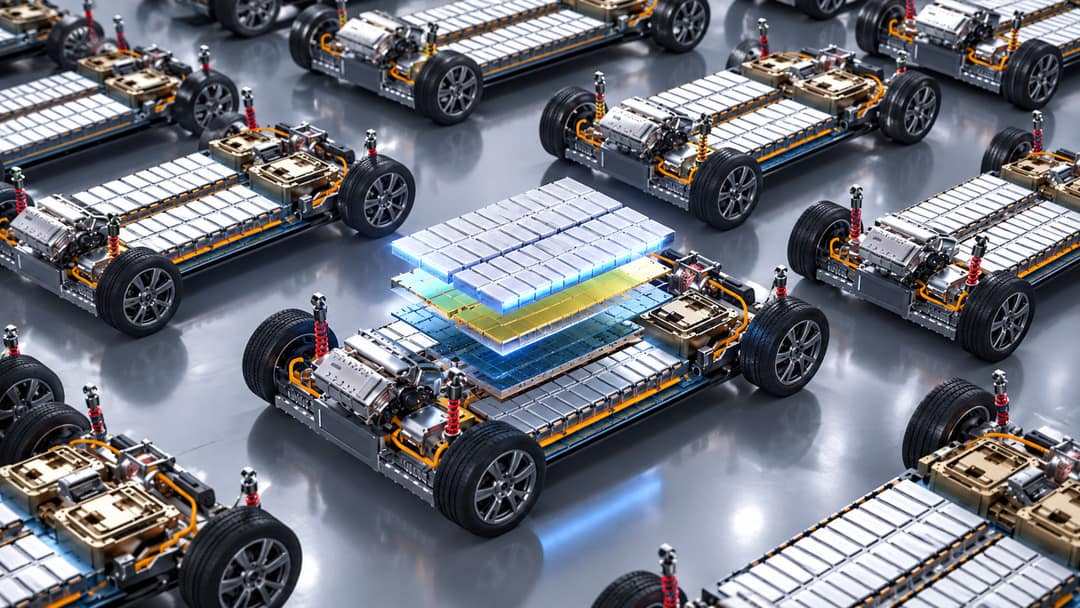
Structural power composites are pushing a provocative engineering idea toward a serious test: instead of carrying a battery inside a vehicle, part of the vehicle itself could store electricity. A new £7 million UK research programme gives that idea five years of concentrated work, shifting the harder question from “can Continue Reading
sodium-ion batteries Safety Testing Milestones
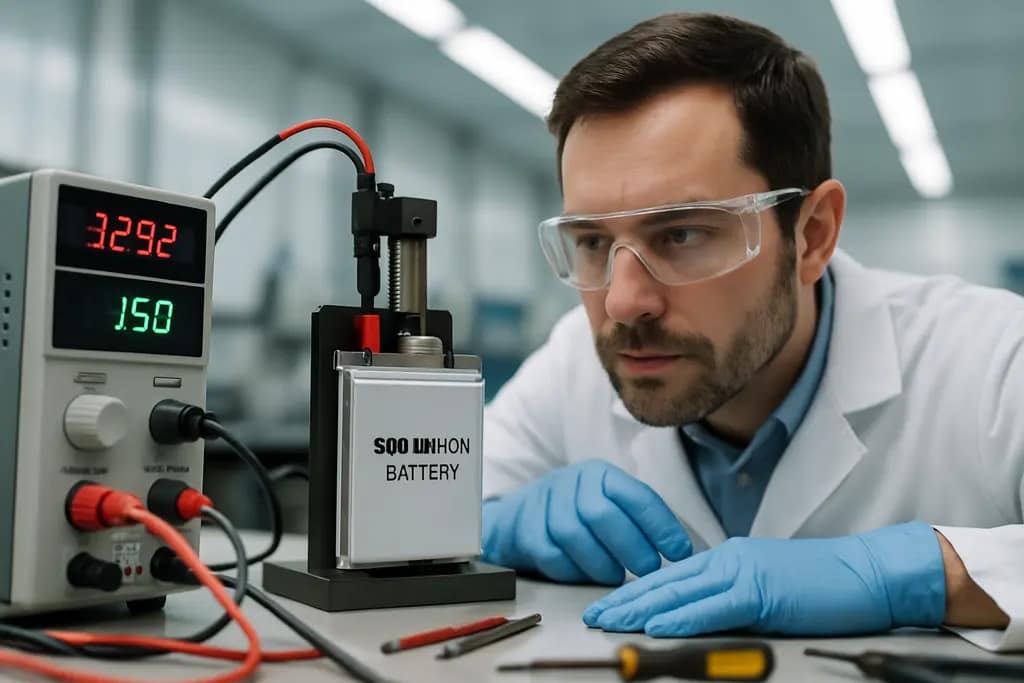
sodium-ion batteries are moving through stricter safety tests, but chemistry, scale, and standards still shape storage decisions.