
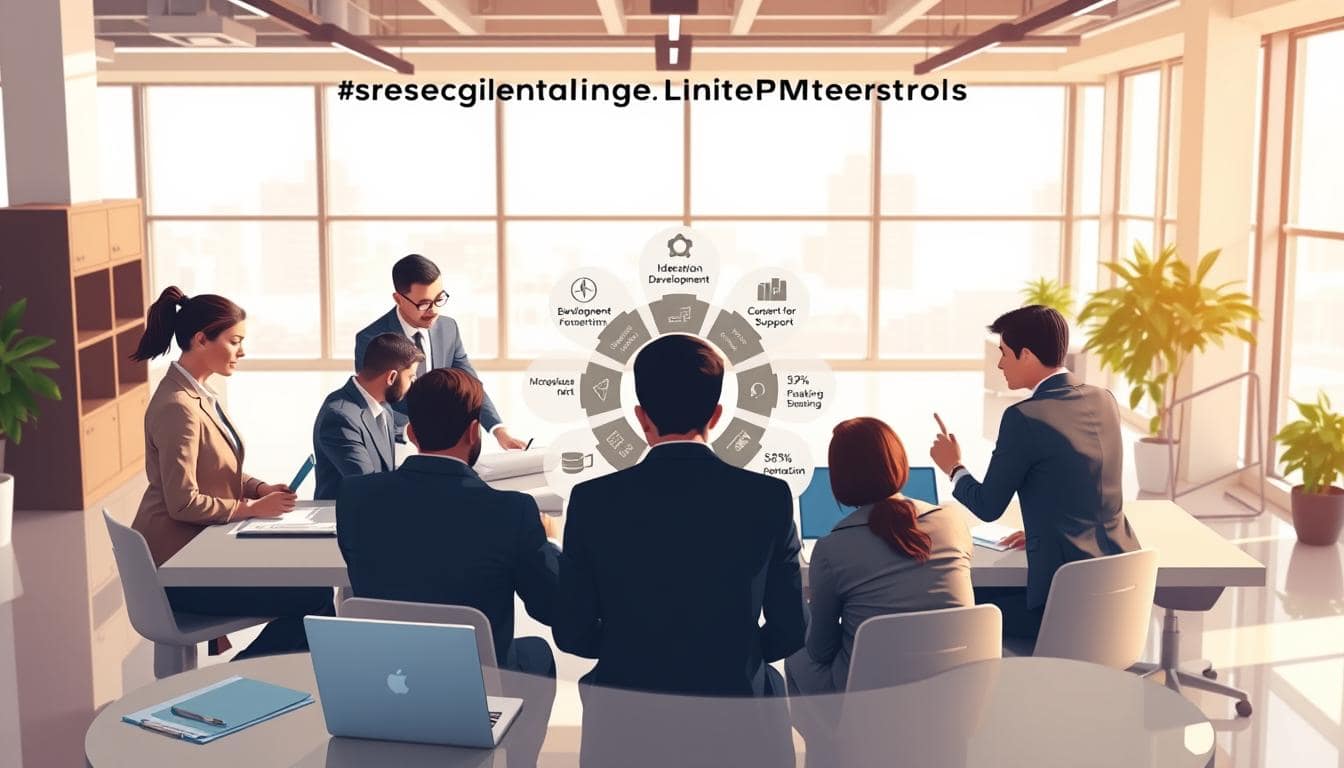
Let’s face a harsh truth: the ribbon-cutting ceremony is not the end. It’s just a pause.
It’s not a lie, but a brief moment. The real story starts after everyone leaves.
Think about it. The project delivery phase is just the start. The real work lasts 25 to 30 years, or more.
This is what makes a project a legacy. Success isn’t just about starting something. It’s about keeping it going.
So, how do you handle this? You switch from a “design-build” focus to a “design-build-sustain-evolve” approach. It’s like moving from a short-term relationship to a long-term partnership.
This is the heart of strong engineering partnerships. It’s about creating lasting industrial ties, not just quick gains.
The Value of Ongoing Support
Seeing plant engineering as a one-time deal can lead to a lot of trouble. The excitement of the opening is just the start. The real work and value come after everyone leaves. In the complex world of industrial operations, “set-it-and-forget-it” is just a dream.
So, why invest in ongoing solutions? It’s not just about being nice. It’s a smart, measurable plan for lasting success. Think of it like the difference between owning a Ferrari and having a top mechanic ready to help, versus hoping it never breaks.
The benefits of continuous engineering maintenance and partnership are clear. They rest on three key points:
- Risk Mitigation: Keeping big failures from happening.
- Cost Predictability: Keeping repair costs under control.
- Performance Optimization: Getting the most out of your system.
Risk Mitigation is like having insurance against disaster. A proactive partner doesn’t wait for problems to get worse. They catch small issues early, preventing big failures.
Cost Predictability is a win for the CFO. Unexpected repairs can ruin budgets. But with ongoing solutions, you can plan for expenses, not face surprises.
Performance Optimization is about finding hidden ways to improve. A system that’s always being fine-tuned can do more than expected. This is how you gain a big edge over competitors.
But there’s more than just numbers. There’s the The Innovation Loop. This is where new ideas come from. Success comes from a great facility and a well-supported team. Ongoing partnership lets real-world experience shape future designs.
This cycle of improvement is like R&D that pays for itself. It leads to new solutions for old problems. The mechanic on retainer learns from the Ferrari’s quirks, making next year’s design even better. This creates a facility that keeps thriving long after the initial excitement fades.
In short, ongoing support is essential. It connects the initial design to the daily reality of operation. It’s the link between engineering genius and lasting economic success.
Forms of Plant-Engineer Partnerships
Exploring plant-engineer partnerships is like being a sommelier, finding the perfect match for each project. Forget the idea of one solution for all. There are more options than you can find on a streaming service.
The NSERC Alliance grant program offers a useful model. It encourages university researchers to work with various sectors. These industrial partnerships are strategic, with everyone contributing.
The players are diverse, not just big companies. You’ll find public utilities, Indigenous organizations, and niche groups. Municipalities and non-profits also join in.
Each partner brings something special. It’s like a potluck where everyone shares their best dish.
| Partnership Type | Typical Players | Cost-Sharing Expectation |
|---|---|---|
| Corporate Research | Private companies, multinationals | Significant cash contributions, often 50%+ |
| Public Sector Collaboration | Municipalities, public utilities | Mixed cash and in-kind resources |
| Community-Engaged | Indigenous organizations, producer groups | Primarily in-kind contributions, expertise sharing |
| Multi-Sector Consortium | Combination of above, plus universities | Complex tiered sharing based on capacity |
The cost-sharing rule is clear. Partners must contribute resources. This could be money, equipment, or time. It ensures everyone is committed.
These rules create accountability. They turn vague plans into real investments. The engineering partnerships office often helps set up these partnerships.
Partnerships can be simple or complex. On one side, a company works with a research team. They share costs and results. It’s straightforward.
On the other side, you have big consortia. Many organizations work together on a challenge. It’s more complex but can lead to big rewards.
These partnerships are all about shared investment and reward. Everyone gets something. The multinational gets new tech, the university gets validation, and the community gets solutions.
The best industrial partnerships see cost-sharing as a sign of commitment. If you’re not willing to invest, why should others?
When choosing a partnership, think like a sommelier. Look for the best match, not just the most expensive. The right choice might surprise you.
Client Stories: Decades of Collaboration
Want to see the real power of engineering partnerships? Look at the decades that follow, not just the groundbreaking ceremony. The most impactful work is a shared biography, not just a transaction. Let’s look at a few profiles that show the best ongoing solutions come from lasting relationships.
Nerissa Mulligan’s research on gender equity in engineering education is a long-term investment. It’s a partnership between academic rigor and industry necessity. The problem of a leaky talent pipeline needs a commitment that spans generations, not just quarters.
Véronica Romero Rosales and her AI robots are fighting invasive mussels. This is a great example of long-term thinking. The mussel problem has lasted over 30 years, damaging infrastructure. Her solution combines engineering and environmental science, not a quick fix but a sustained effort.
Majdi Flah is working on durable, low-carbon concrete. Concrete is the backbone of our civilization, but it has a big environmental cost. Flah’s research is a partnership with the future, aiming to create a material that lasts longer and pollutes less.
Mahdi Ghiasi is focusing on equitable AI for dementia detection. This partnership is between technology and social justice. Building an AI tool is just the beginning. Ensuring it serves all communities fairly for years to come is the real challenge.
Emilie Pellerin is working on modular construction for housing. The housing crisis won’t be solved with a single blueprint. Pellerin’s approach is about creating a partnership with flexibility, designing systems that can adapt to future demands.
The common thread in these stories is the timeline of the problems they address. These partnerships, whether between disciplines, with future generations, or for equity, are the engines for ongoing solutions. They turn engineering into a slow, steady, and indispensable force.
Maintenance Programs and Cost Savings
Proactive engineering maintenance is like compound interest for industries. It’s about making small, regular investments that add up to big returns. On the other hand, waiting until something breaks is a risky gamble that usually ends in disaster.
A good maintenance program is more than just a reminder to check the pump. It uses data and analytics to predict problems and follow detailed procedures. This approach turns chaos into a well-managed process, thanks to the right tools for safe operations and ongoing maintenance.
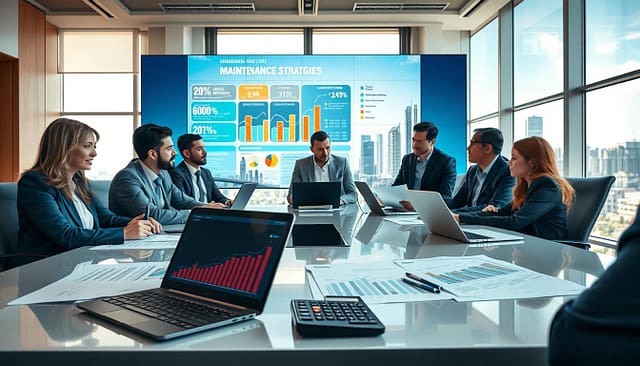
Let’s look at the cost of a good maintenance program. It might seem expensive at first, but it’s actually a smart investment. Skipping this investment can lead to much higher costs later on.
Here are some costs of not having a good maintenance plan:
- Emergency Call-Outs: Emergency calls cost a lot more than regular hours. Always.
- Production Downtime: A stopped line doesn’t just lose money; it also loses market share and reputation.
- Reputation Damage: Clients don’t care why your product is late. They just know it is.
The benefits of a good maintenance plan are clear and measurable. It’s like investing in a strong defense against unknown risks. The source says, “the value… will more than pay for the money spent up-front.” The real savings come from avoiding big problems that could cost a lot.
Think of maintenance like flossing. It’s a small daily task that prevents big problems. A good engineering maintenance program is like flossing for your plant. It keeps things running smoothly and avoids costly repairs.
This isn’t about spending more on maintenance. It’s about spending wisely on avoiding big costs. Investing in ongoing solutions from the start is a smart move. It saves you from unpredictable, high costs and keeps your business running smoothly.
Adapting to Plant Evolution
A decade-old blueprint is now a historical document, not a rule for today. Technology advances, rules change, and market needs shift. A static industrial partnership is outdated. Success requires a partnership that grows with the facility.
To achieve this, rethink your design approach. Consider the end user from the start. This means creating something flexible for the future, not just functional today.
Designing with the Future in Mind
Use modularity in design. Employ 3D modeling for construction and future plans. Include the operations team in the design process. Their feedback is invaluable for future-proofing.
This approach is the foundation of resilient engineering maintenance. It turns the partnership into a continuous relationship.
Building the Feedback Loop
The operator’s voice should be a constant channel, not just suggestions. Create a joint technology review board and regular partnership check-ins. Use digital platforms for ongoing operational insights.
This ongoing dialogue makes your engineering partner your in-house developer. It’s like updating your smartphone’s OS for your industrial complex. They can add new features without disrupting the system.
The difference between a static hand-off and a dynamic partnership is clear. The table below highlights the differences:
| Aspect | Static Hand-Off | Dynamic Partnership |
|---|---|---|
| Core Mindset | Project completion is the finish line. | Project completion is the first milestone in a long race. |
| Design Phase Focus | Meeting initial specifications and budget. | Meeting specs while embedding flexibility for future change. |
| Operator Feedback | Collected reactively, after problems arise. | Structured into the process via joint reviews and digital logs. |
| Contract Structure | Rigid, scope-limited agreement. | Adaptive framework, like an alliance supporting projects of “varying scale and complexity.” |
| Long-Term Value | Low; often leads to costly third-party fixes. | High; enables efficient evolution and sustains engineering maintenance excellence. |
This adaptive framework is essential. Modern alliance contracts support this journey. They offer legal and commercial flexibility to match technical needs.
The best industrial partnerships grow with the plant. They see the plant as Version 1.0. Their role is to help write the code for future versions.
Creating Win-Win Relationships
“Win-win” might remind you of old motivational posters. But in plant engineering, it’s more than that. It’s about creating a partnership that’s strong and fair. Let’s explore what really matters in these partnerships.
Today, a good partnership is more than just profit. It’s about fairness, diversity, and following rules. These are key to staying ahead and keeping things right.
Having a diverse team is smart, not just right. It brings different ideas to the table. This diversity leads to better and stronger ongoing solutions. It’s like having a backup plan against one idea.
Following rules for research partnerships is important. It keeps your work safe and your ideas secure. It’s about trust and ongoing solutions.

So, what does winning mean now? For the plant owner, it’s a modern, safe, and fair facility. It’s about operations that are strong and innovative. For the engineer, it’s staying relevant and solving real problems.
The engineer wins with a steady flow of new ideas and ongoing solutions. The plant owner gets a facility that’s modern, safe, and strong. This is a win-win that keeps growing.
This partnership is more than just a deal. It’s a strong alliance that’s valuable. It’s a partnership that keeps getting better, even with changes in the market.
This partnership is a real asset. It’s the heart of a dynamic, ongoing solutions partnership. That’s a win-win worth celebrating, but maybe not with a poster.
Lessons for Plant Engineers
Let’s cut through the jargon and get real: the most valuable lessons in plant engineering aren’t found in textbooks. They’re in the grease-stained notes of veteran operators. Consider this your tactical debrief. Here’s what you should do differently when the workweek begins.
First, get humble. Your CFD simulation is elegant, but the person holding the wrench knows things your model doesn’t. They’ve seen the vibration at high load and the weird noise when humidity spikes. The source material insists on “including the operations team in meetings and on-site throughout the construction process.” This isn’t a nice-to-have. It’s a non-negotiable for avoiding expensive, embarrassing rework.
Second, think in decades, not fiscal quarters. Advocate for budget lines that cover life-cycle support, not just capital expenditure. The true cost of a pump isn’t its purchase price; it’s the twenty years of engineering maintenance that follow. Frame every project as the start of a long-term industrial partnership, not a one-night stand with a contractor.
Third, choose partners like you’d choose a co-parent. You’re going to be tied to them for a long, long time. Look for aligned long-term values, not just the lowest bid. Does their idea of success extend beyond engineering excellence to include operational reliability and your team’s sanity? If not, walk away. The lowest bidder often becomes the most expensive partner.
Fourth, document for the future, not just for compliance. Your Standard Operating Procedure (SOP) might train an operator ten years from now, long after you’ve moved on. Consider additional training and complete documentation as a core deliverable, not an afterthought. Is your manual clear enough for the midnight shift?
So, what’s the Monday morning move? Start a conversation with your operations lead. Review a maintenance log. Challenge a budget assumption. The path to resilient industrial partnerships and effective engineering maintenance is paved with humility, foresight, and deliberate choice. Your plant’s next decade depends on it.
Conclusion
What’s the end of your engineering story? Will it be a book that nobody reads, or a series that everyone loves? We’ve learned that the best designs are just the beginning. Their true greatness is shown over many years, not just a few days.
Success in engineering isn’t just about one deal. It’s about changing how things work. It turns engineering into a key part of your strategy. This is where regular maintenance comes in. It’s the secret hero that makes your vision real and keeps things running smoothly for years.
Choosing the right partner is key. As we explored in our look at broader partnerships, the right one can help you avoid risks and find new chances. They help you stay strong against market changes and give you insights from different areas.
Real maintenance is the ultimate test. It shows who is just passing through and who is a true friend. The choice is clear. Choose a partner for the long term, and create a story worth telling.


