
FAQ
Q: What is a pre buy car inspection?
A: A pre buy car inspection is a thorough examination of a vehicle’s condition before purchasing it. It helps identify any hidden issues or mechanical problems that may not be apparent during a test drive or visual inspection.
Q: Why should I get a pre buy car inspection?
A: Getting a pre buy car inspection is essential to ensure that you are making a wise investment. It helps you avoid purchasing a vehicle with hidden problems or costly repairs in the future. It also gives you peace of mind knowing that you have a clear understanding of the vehicle’s condition.
Q: What does a pre buy car inspection include?
A: A pre buy car inspection typically includes a detailed examination of the vehicle’s exterior, interior, engine, transmission, brakes, suspension, electrical systems, and more. It may also involve a test drive to assess the vehicle’s performance and handling.
Q: How long does a pre buy car inspection take?
A: The duration of a pre buy car inspection can vary depending on the complexity of the vehicle and the thoroughness of the inspection. On average, it can take anywhere from 1 to 3 hours to complete a thorough inspection.
Q: Can I be present during the pre buy car inspection?
A: Yes, it is highly recommended to be present during the pre buy car inspection. This allows you to ask questions, gain a better understanding of the vehicle’s condition, and address any concerns or concerns you may have.
Q: How much does a pre buy car inspection cost?
A: The cost of a pre buy car inspection can vary depending on factors such as the location, type of vehicle, and the level of detail required. On average, it can range from $150 to $300. It is best to contact a reputable inspection company for a detailed quote.
Q: Can I get a pre buy car inspection for other types of vehicles?
A: Yes, pre buy car inspections are not limited to cars. They can be conducted for motorcycles, RVs, boats, and even heavy equipment. It is important to have a professional inspection done before purchasing any type of vehicle or equipment.
Q: How do I choose a reputable pre buy car inspection company?
A: When choosing a pre buy car inspection company, it is important to look for a company with a good reputation, experienced inspectors, and a proven track record. You can read reviews, ask for referrals, and check their credentials to ensure you are choosing a reliable and trustworthy company.
Q: What are the benefits of a pre buy car inspection?
A: The benefits of a pre buy car inspection include avoiding costly repairs, making an informed purchasing decision, and gaining peace of mind. It helps you identify any hidden issues or mechanical problems that may not be apparent during a test drive or visual inspection.
FAQ
Q: What is deep learning?
A: Deep learning is a subset of artificial intelligence that uses neural networks to analyze and interpret data. It is inspired by the human brain and can perform complex tasks like image recognition and natural language processing.
Q: How does deep learning work?
A: Deep learning works by using neural networks to analyze data. These networks are made up of layers of interconnected nodes that process information. As data flows through the network, it is transformed and analyzed, allowing for complex tasks to be performed.
Q: What are the different types of deep learning?
A: There are several types of deep learning, including supervised learning, unsupervised learning, and reinforcement learning. Supervised learning involves training the network on labeled data, while unsupervised learning involves finding patterns in unlabeled data. Reinforcement learning involves training the network through trial and error.
Q: What are the applications of deep learning?
A: Deep learning has a wide range of applications, including image recognition, natural language processing, speech recognition, and predictive analytics. It is used in industries such as healthcare, finance, and retail to improve efficiency and accuracy.
Q: What are the challenges of deep learning?
A: Deep learning faces several challenges, including data quality, overfitting, and interpretability. Ensuring the quality of training data is essential for accurate results. Overfitting occurs when the network becomes too specialized to the training data and fails to generalize well. Interpretability refers to the ability to understand and explain the decisions made by the network.
Q: What is the future of deep learning?
A: The future of deep learning looks promising, with advancements in areas such as quantum computing and edge computing. These advancements will enable faster and more efficient processing of data, leading to even more accurate and reliable results.
FAQ
Q: What is a pre buy car inspection?
A: A pre buy car inspection is a thorough examination of a vehicle’s condition before purchasing it. It helps identify any hidden issues or mechanical problems that may not be apparent during a test drive or visual inspection.
Q: Why should I get a pre buy car inspection?
A: Getting a pre buy car inspection is essential to ensure that you are making a wise investment. It helps you avoid purchasing a vehicle with hidden problems or costly repairs in the future. It also gives you peace of mind knowing that you have a clear understanding of the vehicle’s condition.
Q: What does a pre buy car inspection include?
A: A pre buy car inspection typically includes a detailed examination of the vehicle’s exterior, interior, engine, transmission, brakes, suspension, electrical systems, and more. It may also involve a test drive to assess the vehicle’s performance and handling.
Q: How long does a pre buy car inspection take?
A: The duration of a pre buy car inspection can vary depending on the complexity of the vehicle and the thoroughness of the inspection. On average, it can take anywhere from 1 to 3 hours to complete a thorough inspection.
Q: Can I be present during the pre buy car inspection?
A: Yes, it is highly recommended to be present during the pre buy car inspection. This allows you to ask questions, gain a better understanding of the vehicle’s condition, and address any concerns or concerns you may have.
Q: How much does a pre buy car inspection cost?
A: The cost of a pre buy car inspection can vary depending on factors such as the location, type of vehicle, and the level of detail required. On average, it can range from $150 to $300. It is best to contact a reputable inspection company for a detailed quote.
Q: Can I get a pre buy car inspection for other types of vehicles?
A: Yes, pre buy car inspections are not limited to cars. They can be conducted for motorcycles, RVs, boats, and even heavy equipment. It is important to have a professional inspection done before purchasing any type of vehicle or equipment.
Q: How do I choose a reputable pre buy car inspection company?
A: When choosing a pre buy car inspection company, it is important to look for a company with a proven track record, experienced inspectors, and positive customer reviews. You can also ask for referrals from friends, family, or other trusted sources.
Q: What should I do after the pre buy car inspection?
A: After the pre buy car inspection, you can use the information provided to make an informed decision about whether to purchase the vehicle or not. If any issues or concerns are identified, you can negotiate the price or walk away from the deal. It is important to prioritize your safety and the reliability of the vehicle.
FAQ
Q: What is deep learning?
A: Deep learning is a subset of artificial intelligence that uses neural networks to analyze and interpret data. It is inspired by the human brain’s structure and function, enabling machines to learn and make decisions based on complex data.
Q: How does deep learning work?
A: Deep learning works by using neural networks to process data. These networks are made up of layers of interconnected nodes that work together to analyze and interpret data. The more layers a network has, the more complex the data it can handle.
Q: What are the different types of deep learning?
A: There are several types of deep learning, including supervised learning, unsupervised learning, and reinforcement learning. Supervised learning involves training a model on labeled data, while unsupervised learning involves finding patterns in unlabeled data. Reinforcement learning involves training a model through trial and error.
Q: What are the applications of deep learning?
A: Deep learning has a wide range of applications, including image recognition, natural language processing, and predictive analytics. It is used in industries such as healthcare, finance, and retail to improve efficiency and accuracy.
Q: What are the challenges of deep learning?
A: Deep learning faces several challenges, including data quality, model interpretability, and the need for large amounts of training data. Ensuring the accuracy and reliability of deep learning models is also a challenge.
Q: What is the future of deep learning?
A: The future of deep learning looks promising, with advancements in areas such as quantum computing and edge computing. These advancements will enable faster and more efficient processing of data, leading to even more accurate and reliable deep learning models.
Deep Learning in Medical Imaging
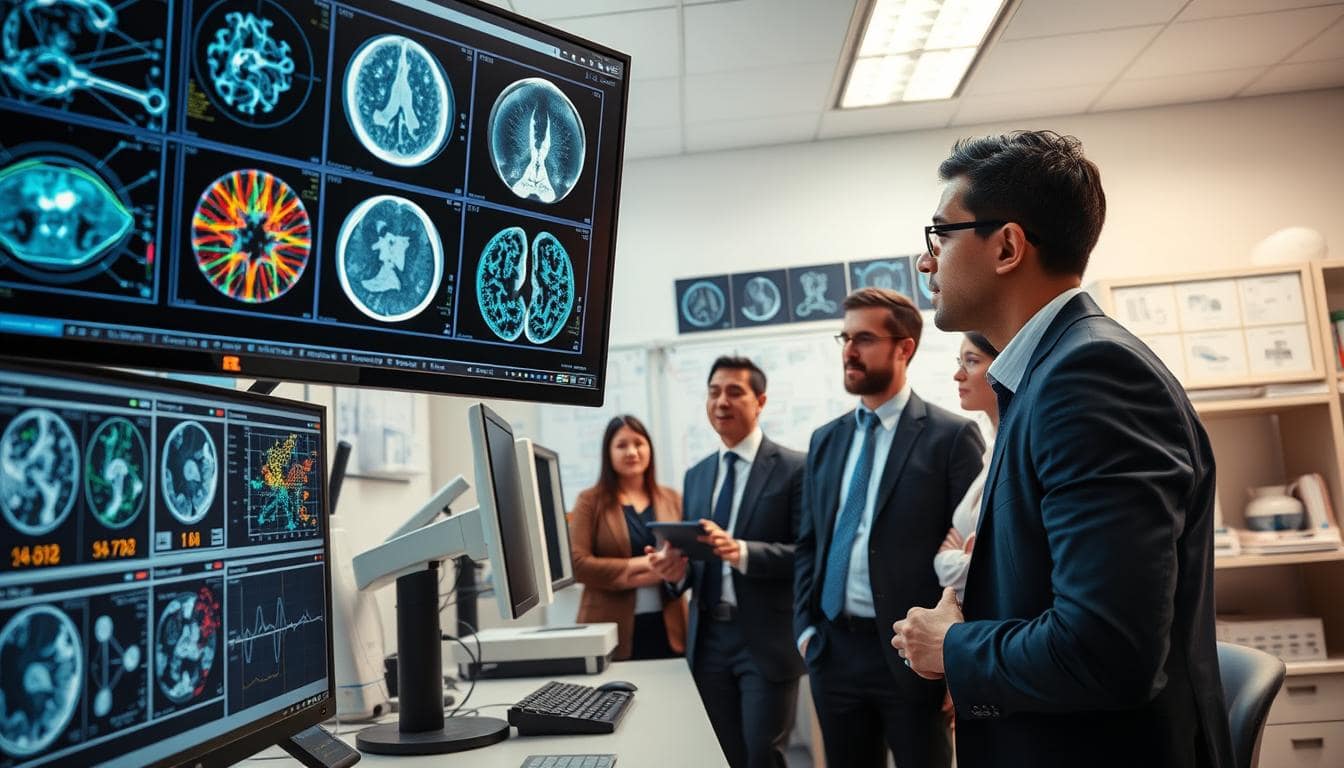
Deep learning has revolutionized medical imaging, transforming how doctors diagnose and treat diseases. By leveraging advanced algorithms and large datasets, deep learning models can detect abnormalities with high accuracy. This technology has the power to improve patient outcomes and streamline clinical workflows.
Applications in Medical Imaging
Deep learning in medical imaging has numerous applications. For instance, it can enhance image quality, reducing the need for additional scans. This not only saves time but also reduces radiation exposure for patients. In addition, deep learning models can identify subtle changes in images that may indicate serious health issues, such as tumors or cardiovascular diseases.
Barcode and UDI Integration
Integrating barcode and UDI (Unique Device Identifier) systems into deep learning models further enhances their utility. This integration ensures that medical devices and equipment are accurately tracked and identified. It also helps in maintaining a detailed inventory of medical supplies, reducing errors and improving patient safety. By combining deep learning with barcode and UDI systems, healthcare providers can optimize their workflows and enhance overall patient care.
FAQ
Q: What is the role of the SPC in the construction industry?
A: The SPC, or Site Personnel Coordinator, plays a vital role in the construction industry. They are responsible for coordinating the site personnel, ensuring that the right people are in the right place at the right time. This includes managing the workforce, coordinating with other departments, and ensuring compliance with health and safety regulations.
Q: What are the responsibilities of a Site Personnel Coordinator?
A: The responsibilities of a Site Personnel Coordinator include coordinating the site personnel, managing the workforce, coordinating with other departments, and ensuring compliance with health and safety regulations. They are responsible for ensuring that the right people are in the right place at the right time, managing the workforce, and coordinating with other departments to ensure smooth operations on the construction site.
Q: What are the skills and qualifications required to be a Site Personnel Coordinator?
A: To be a successful Site Personnel Coordinator, you need to have excellent organizational and communication skills. You should be able to effectively coordinate the site personnel, manage the workforce, and ensure compliance with health and safety regulations. It is also important to have a strong understanding of the construction industry and the ability to work well under pressure.
Q: What are the benefits of working as a Site Personnel Coordinator?
A: Working as a Site Personnel Coordinator can be a rewarding career choice. It offers the opportunity to be part of the construction industry, contribute to the success of construction projects, and work with a diverse team of professionals. It also provides the chance to develop your organizational and communication skills, as well as gain valuable experience in the construction industry.
Q: How can I become a Site Personnel Coordinator?
A: To become a Site Personnel Coordinator, you can start by gaining relevant experience in the construction industry. This can be achieved by working in entry-level positions such as a construction assistant or a site administrator. You can also consider pursuing a degree in construction management or a related field to enhance your skills and knowledge. It is important to stay up to date with industry developments and continuously develop your skills to excel in this role.
Q: What are the salary expectations for a Site Personnel Coordinator?
A: The salary expectations for a Site Personnel Coordinator can vary depending on factors such as location, experience, and industry. On average, a Site Personnel Coordinator can expect to earn a salary ranging from $40,000 to $60,000 per year. It is important to note that salaries can vary, and it is always beneficial to research the current market rates and negotiate a fair salary based on your skills and experience.
Q: What are the future prospects for Site Personnel Coordinators?
A: The demand for Site Personnel Coordinators is expected to increase in the coming years. As the construction industry continues to grow, there will be a need for skilled professionals to coordinate the site personnel and ensure the smooth operation of construction projects. This presents a promising future for individuals looking to pursue a career as a Site Personnel Coordinator.
FAQ
Q: What is a pre buy car inspection?
A: A pre buy car inspection is a thorough examination of a vehicle’s condition before purchasing it. It involves checking various components such as the engine, transmission, brakes, suspension, and electrical systems to identify any existing issues or hidden problems.
Q: Why should I get a pre buy car inspection?
A: Getting a pre buy car inspection is essential to ensure that you are making a wise investment. It helps you identify any underlying issues or hidden problems that may not be apparent during a test drive. By getting a professional inspection, you can avoid costly repairs and make an informed decision about your purchase.
Q: What does a pre buy car inspection include?
A: A pre buy car inspection typically includes a detailed examination of the vehicle’s exterior, interior, engine, transmission, brakes, suspension, electrical systems, and more. It may also involve a test drive to assess the vehicle’s performance and identify any unusual noises or vibrations.
Q: How long does a pre buy car inspection take?
A: The duration of a pre buy car inspection can vary depending on the complexity of the vehicle and the thoroughness of the inspection. On average, it can take anywhere from 1 to 3 hours to complete a thorough inspection.
Q: Can I be present during the pre buy car inspection?
A: Yes, you are encouraged to be present during the pre buy car inspection. This allows you to ask questions, gain a better understanding of the vehicle’s condition, and receive expert advice from the inspector.
Q: How much does a pre buy car inspection cost?
A: The cost of a pre buy car inspection can vary depending on factors such as the location, type of vehicle, and level of detail required. On average, it can range from $150 to $300. It is important to note that the cost is a small investment compared to the peace of mind and financial savings it can provide.
Q: Can I get a pre buy car inspection for other types of vehicles?
A: Yes, in addition to cars, we also offer pre buy inspections for trucks, RVs, motorcycles, heavy equipment, and more. Our experienced inspectors can provide a thorough evaluation of any type of vehicle or equipment you are considering purchasing.
Q: How can I schedule a pre buy car inspection?
A: Scheduling a pre buy car inspection is easy. Simply contact us at (979) 530-3725 or visit our website to request an appointment. Our team will work with you to find a convenient time and location for the inspection.
FAQ
Q: What is a barcode/UDI?
A: A barcode/UDI, or Unique Device Identifier, is a unique code assigned to medical devices. It helps track and identify devices, ensuring safety and compliance with regulations.
Q: What is SPC?
A: SPC, or Statistical Process Control, is a method used to monitor and control processes. It helps ensure quality and consistency in medical devices, meeting regulatory requirements.
Q: How do barcode/UDI and SPC contribute to quality management in medical devices?
A: Barcode/UDI and SPC are essential for quality management in medical devices. They help track and identify devices, ensuring safety and compliance with regulations. SPC monitors and controls processes, ensuring quality and consistency.
Q: What are the benefits of using barcode/UDI and SPC in medical devices?
A: Using barcode/UDI and SPC in medical devices offers several benefits. It ensures safety and compliance with regulations, improves quality and consistency, and enhances patient safety.
Q: How do barcode/UDI and SPC support regulatory compliance in medical devices?
A: Barcode/UDI and SPC support regulatory compliance in medical devices by ensuring safety and compliance with regulations. They help track and identify devices, and SPC monitors and controls processes, meeting regulatory requirements.
Q: What are the challenges and limitations of implementing barcode/UDI and SPC in medical devices?
A: Implementing barcode/UDI and SPC in medical devices can be challenging. It requires proper training, infrastructure, and resources. There may also be limitations in terms of data accuracy and system integration.
Q: How can barcode/UDI and SPC be integrated into quality management systems in medical devices?
A: Barcode/UDI and SPC can be integrated into quality management systems in medical devices. They can be used in conjunction with other quality management tools and processes to enhance quality and compliance.
Q: What are the future trends and advancements in barcode/UDI and SPC for medical devices?
A: The future of barcode/UDI and SPC in medical devices holds promise. Advancements in technology and data analytics are expected to improve their effectiveness and efficiency. These advancements will contribute to enhanced quality and compliance in medical devices.
FAQ
Q: What is the role of the SPC in the construction industry?
A: The SPC, or Site Personnel Coordinator, plays a vital role in the construction industry. They are responsible for coordinating the site personnel, ensuring that the right people are in the right place at the right time. This includes managing the workforce, coordinating with other departments, and ensuring compliance with health and safety regulations.
Q: What are the responsibilities of a Site Personnel Coordinator?
A: The responsibilities of a Site Personnel Coordinator include coordinating the site personnel, managing the workforce, coordinating with other departments, and ensuring compliance with health and safety regulations. They are responsible for ensuring that the right people are in the right place at the right time, managing the workforce, and coordinating with other departments to ensure smooth operations on the construction site.
Q: What are the skills and qualifications required to be a Site Personnel Coordinator?
A: To be a successful Site Personnel Coordinator, you need to have excellent organizational and communication skills. You should be able to effectively coordinate the site personnel, manage the workforce, and ensure compliance with health and safety regulations. It is also important to have a strong understanding of the construction industry and the roles and responsibilities of different personnel.
Q: What are the benefits of working as a Site Personnel Coordinator?
A: Working as a Site Personnel Coordinator can be a rewarding career choice. It offers the opportunity to be part of the construction industry, contribute to the success of construction projects, and work with a diverse range of people. It also provides the chance to develop your organizational and communication skills, as well as gain valuable experience in the construction industry.
Q: How can I become a Site Personnel Coordinator?
A: To become a Site Personnel Coordinator, you can start by gaining relevant experience in the construction industry. This can be achieved by working in entry-level positions such as a construction assistant or a site administrator. You can also consider pursuing a degree in construction management or a related field to enhance your skills and knowledge. It is important to stay up to date with industry developments and continuously develop your skills and qualifications.
Q: What are the salary expectations for a Site Personnel Coordinator?
A: The salary expectations for a Site Personnel Coordinator can vary depending on factors such as location, experience, and industry. On average, a Site Personnel Coordinator can expect to earn a salary ranging from $40,000 to $60,000 per year. It is important to note that salaries can vary, and it is always best to research the current market rates and negotiate a fair salary based on your skills and experience.
Q: What are the future prospects for Site Personnel Coordinators?
A: The demand for Site Personnel Coordinators is expected to increase in the coming years. The construction industry is constantly growing, and the need for skilled professionals to coordinate site personnel is becoming more prominent. As a Site Personnel Coordinator, you will have the opportunity to contribute to the success of construction projects and play a vital role in ensuring smooth operations on the construction site.
Environmental Control: vibration, temp, dust, glare mitigation
Your factory floor is like a hostile planet. It’s full of constant shakes, temperature changes, dust storms, and bright lights. Your vision inspection system is like a scientific outpost. It must fight off everything the environment throws at it.
Ignoring these challenges can make your lab prototype fail quickly. It’s like a house of cards in a wind tunnel.
Vibration from machines can blur images and loosen connections. The solution is physics, not hope. Use vibration-dampening mounts and a strong mechanical frame to keep your camera steady.
Temperature affects your sensor’s performance. Heat can make lenses expand or contract, ruining focus. To fix this, use a temperature-controlled enclosure or choose the right industrial camera and lenses.
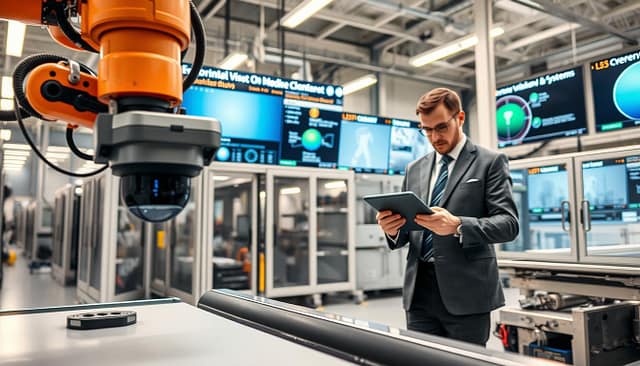
Dust can slowly coat lenses and light sources. This reduces contrast and softens edges. Use IP-rated enclosures and positive air pressure housings to keep dust out.
Glare from light can create hotspots that look like defects. Use controlled lighting and filters to reduce glare. This helps your software accurately identify issues.
| Environmental Gremlin | Impact on Vision | Fortification Strategy |
|---|---|---|
| Vibration | Motion blur, loosened hardware, unreliable measurements. | Dampening mounts, rigid mechanical design, secure cabling. |
| Temperature Swings | Sensor noise, focus drift, component lifespan reduction. | Industrial-grade component specs, thermal enclosures, stable mounting. |
| Dust & Particulates | Gradual coating of lenses/lights, loss of optical clarity. | IP-rated enclosures (e.g., IP55), positive air pressure systems, sealed housings. |
| Glare & Ambient Light | Washed-out images, false defects from reflections, inconsistent lighting. | Controlled lighting (coaxial/dark-field), physical shrouds, polarizing filters. |
Building a strong vision inspection system means fighting against your factory’s chaos. Each strategy in the table is like an insurance policy. It helps you win the battle for quality against the environment’s challenges.
FAQ
Q: What is machine vision QC?
A: Machine vision QC is a technology that uses cameras and software to inspect products for quality control. It helps manufacturers ensure their products meet quality standards by detecting defects and anomalies.
Q: How does machine vision QC work?
A: Machine vision QC uses cameras to capture images of products, which are then analyzed by software. The software uses algorithms to detect defects and anomalies in the images, providing manufacturers with real-time feedback on product quality.
Q: What are the benefits of using machine vision QC?
A: Machine vision QC offers several benefits, including increased efficiency, reduced labor costs, improved product quality, and enhanced customer satisfaction. It also helps manufacturers comply with regulatory requirements and reduces the risk of product recalls.
Q: What are the different types of machine vision QC?
A: There are several types of machine vision QC, including barcode/UDI inspection, SPC (Statistical Process Control), and deep learning-based systems. Each type has its own strengths and applications, depending on the specific needs of manufacturers.
Q: How can machine vision QC be integrated into manufacturing processes?
A: Machine vision QC can be integrated into manufacturing processes through the use of vision inspection systems. These systems can be installed on production lines to provide real-time quality control and ensure that products meet quality standards.
Q: What are the advantages of using machine vision QC?
A: Machine vision QC offers several advantages, including increased efficiency, reduced labor costs, improved product quality, and enhanced customer satisfaction. It also helps manufacturers comply with regulatory requirements and reduces the risk of product recalls.
Q: What are the applications of machine vision QC?
A: Machine vision QC has a wide range of applications across various industries, including automotive, aerospace, healthcare, and consumer goods. It can be used to inspect products for defects, ensure compliance with quality standards, and improve overall manufacturing efficiency.
Q: What are the future trends in machine vision QC?
A: The future of machine vision QC is expected to be shaped by advancements in deep learning and artificial intelligence. These technologies will enable machine vision QC systems to become even more accurate and efficient, leading to further improvements in product quality and manufacturing efficiency.


